

Ваше местоположение:
Главная страница>
Информационный центр>
Как выбрать систему освещения для пешеходных дорожек чтобы обеспечить безопасность и комфорт
Как выбрать систему освещения для пешеходных дорожек чтобы обеспечить безопасность и комфорт
Время публикации:2025-11-27
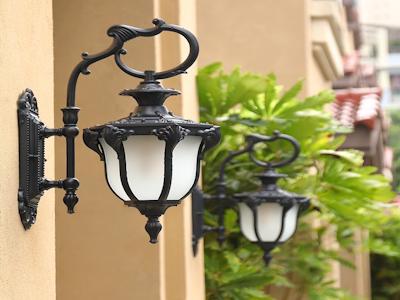
В современном урбанизированном мире безопасность и комфорт пешеходов становятся все более важными аспектами городской инфраструктуры. Одним из ключевых элементов, обеспечивающих эти качества, является система освещения пешеходных дорожек. Правильно спроектированное и реализованное освещение не только предотвращает accidents, но и создает приятную атмосферу для прогулок, бега или просто передвижения в ночное время. В этой статье мы подробно рассмотрим, как выбрать оптимальную систему освещения, учитывая различные факторы, от технических характеристик до экологических соображений. Мы обсудим типы освещения, их преимущества и недостатки, а также дадим практические рекомендации для муниципалитетов, проектировщиков и частных лиц. Цель – помочь вам сделать informed decision, которое повысит безопасность и улучшит качество жизни в вашем сообществе.
1. Важность освещения для безопасности пешеходов
Освещение пешеходных дорожек играет критическую роль в обеспечении безопасности. Исследования показывают, что хорошо освещенные areas significantly reduce the risk of crime and accidents. For example, a study by the Illuminating Engineering Society (IES) found that proper lighting can decrease pedestrian-involved crashes by up to 30%. This is because light improves visibility, allowing pedestrians to see obstacles, other people, and potential hazards such as uneven surfaces or animals. Moreover, it deters criminal activity by increasing the perception of surveillance. In psychological terms, adequate lighting reduces fear and anxiety, making people feel more secure when walking at night. Therefore, investing in a good lighting system is not just a matter of convenience but a necessity for public health and safety. Cities like Copenhagen and Tokyo have demonstrated how integrated lighting solutions can transform urban spaces into safer, more livable environments.
Кроме того, освещение способствует социальной активности. Когда дорожки хорошо освещены, люди更愿意 выходить на улицу вечером, что fosters community interaction and promotes a healthier lifestyle. This is particularly important in residential areas, parks, and commercial districts where foot traffic is high. Neglecting lighting can lead to isolation and decreased property values. Thus, when choosing a system, it's essential to prioritize safety as the foremost criterion, ensuring that the lighting provides uniform coverage without dark spots that could harbor dangers.
2. Факторы, влияющие на выбор системы освещения
Выбор системы освещения для пешеходных дорожек involves multiple factors that must be carefully balanced. First, consider the type of area: is it a busy urban street, a quiet park path, or a rural trail? Each context requires different lighting levels and designs. For instance, urban areas need brighter lights to handle high pedestrian volumes and vehicle interactions, while park paths might benefit from softer, more ambient lighting to preserve natural aesthetics. Second, the intensity and distribution of light are crucial. The illuminance level, measured in lux, should meet standards set by organizations like IES or local regulations. Typically, for pedestrian ways, a minimum of 5-10 lux is recommended, but this can vary based on specific needs.
Another key factor is the color temperature of the light. Warmer colors (around 3000K) are often preferred for their cozy feel and reduced glare, which enhances comfort. In contrast, cooler colors (5000K and above) provide better visibility but can be harsh. Energy efficiency is also paramount; LED technology has revolutionized lighting by offering long lifespans, low energy consumption, and minimal maintenance. Additionally, consider the mounting height and spacing of fixtures to avoid shadows and ensure even light spread. Environmental impact should not be overlooked; opt for systems that minimize light pollution and are made from sustainable materials. By evaluating these factors holistically, you can select a system that maximizes safety and comfort while being cost-effective and eco-friendly.
3. Типы освещения и их применение
Существует несколько типов освещения, commonly used for pedestrian paths. Traditional options include high-pressure sodium (HPS) and metal halide lamps, which have been widely used due to their brightness and reliability. However, они постепенно заменяются светодиодными (LED) системами, которые offer superior energy efficiency, longer lifespan, and better color rendering. LED lights can be dimmed or controlled smartly, allowing for adaptive lighting that adjusts based on time of day or pedestrian presence. This not only saves energy but also enhances safety by providing light when needed most.
Solar-powered lighting is another emerging option, especially for remote or off-grid areas. These systems harness solar energy during the day and use it to power lights at night, reducing electricity costs and carbon footprint. However, они могут быть less reliable in regions with limited sunlight. For aesthetic purposes, decorative lighting such as bollard lights or path lights can be used to add character to pathways while providing functional illumination. When choosing a type, consider the specific application: for example, use motion-sensor lights in low-traffic areas to conserve energy, or continuous lighting in high-risk zones. Integrating multiple types can create a versatile system that addresses varied needs throughout a pathway network.
4. Практические рекомендации по выбору и установке
Чтобы выбрать и установить эффективную систему освещения, start by conducting a site assessment. Identify key areas such as intersections, stairs, and blind corners where lighting is most critical. Measure the existing light levels and note any deficiencies. Consult with lighting professionals or use software tools to simulate different scenarios and ensure optimal placement. When selecting fixtures, look for those with appropriate IP ratings for weather resistance, especially in outdoor environments. For energy savings, choose LEDs with high lumens per watt and consider smart controls like timers or sensors.
Установка должна выполняться в соответствии с местными norms and safety standards. Ensure that poles are securely anchored and wiring is protected from vandalism or environmental damage. Regular maintenance is essential; schedule inspections to clean fixtures, replace bulbs, and check for issues like flickering or dark spots. Educate the community about the importance of lighting and encourage reporting of problems. By following these steps, you can implement a system that not only meets safety requirements but also enhances the overall user experience. Remember, a well-lit pathway is an investment in public well-being that pays dividends in reduced accidents and increased community engagement.
5. Заключение: Будущее освещения пешеходных дорожек
В заключение, выбор системы освещения для пешеходных дорожек – это multifaceted decision that requires careful consideration of safety, comfort, efficiency, and environmental impact. With advancements in technology, particularly LED and smart lighting, we have the tools to create systems that are both effective and sustainable. As cities grow and evolve, integrating adaptive lighting that responds to real-time conditions will become the norm, further enhancing safety and reducing energy waste. By prioritizing these aspects, we can build urban spaces that are not only functional but also welcoming and secure for all pedestrians. The future of pathway lighting lies in innovation and community-focused design, ensuring that every step taken at night is a safe and comfortable one.
Invest in quality lighting today to illuminate the path towards a safer tomorrow.
Предыдущая статья:
Солнечное освещение антивзрывная безопасность для опасных зон
Следующий пост:
Преимущества LED технологий для современных домов и офисов