

Ваше местоположение:
Главная страница>
Информационный центр>
Преимущества LED технологий для современных домов и офисов
Преимущества LED технологий для современных домов и офисов
Время публикации:2025-11-27
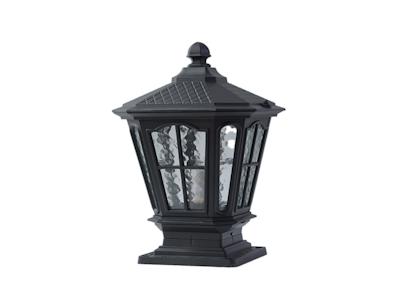
В современном мире технологии освещения играют ключевую роль в создании комфортной и эффективной среды как в домах, так и в офисах. Среди множества инноваций LED (Light Emitting Diode) технологии выделяются своим многочисленными преимуществами, которые делают их предпочтительным выбором для миллионов людей по всему миру. В этой статье мы подробно рассмотрим, почему LED освещение стало таким популярным, и как оно может улучшить качество жизни и работы.
1. Энергоэффективность и экономия средств
Одним из самых значительных преимуществ LED технологий является их высокая энергоэффективность. По сравнению с традиционными лампами накаливания или люминесцентными лампами, LED светильники потребляют значительно меньше электроэнергии при том же уровне освещения. Например, LED лампа мощностью 10 Вт может обеспечить световой поток, эквивалентный лампе накаливания мощностью 60 Вт. Это означает экономию до 80% энергии.
Такая экономия напрямую translates into снижение счетов за электричество. Для домовладельцев это может означать сотни долларов сэкономленных денег в год, а для офисных зданий с большим количеством освещения – тысячи. Кроме того, LED светильники имеют длительный срок службы, что further reduces затраты на замену и обслуживание. Средний срок службы LED ламп составляет от 25,000 до 50,000 часов, в то время как лампы накаливания служат всего около 1,000 часов.
В офисных условиях, где освещение работает по 8-12 часов в день, переход на LED может привести к значительной экономии. Многие компании уже внедрили LED системы и report снижение operational costs на 20-30%. Это not only экономически выгодно, но и contributes to corporate social responsibility by reducing carbon footprint.
2. Экологичность и устойчивое развитие
LED технологии являются более экологичными по сравнению с традиционными источниками света. Они не содержат hazardous materials, таких как ртуть, which is present in fluorescent lamps. This makes LED lights safer for disposal and reduces environmental pollution.
Additionally, the lower energy consumption of LED lights means reduced greenhouse gas emissions from power plants. By switching to LED, households and offices can contribute to global efforts to combat climate change. For instance, if all homes in a city adopt LED lighting, it could lead to a significant drop in overall energy demand, resulting in fewer fossil fuels being burned.
Moreover, LED lights are often made from recyclable materials, further enhancing their sustainability. Many manufacturers now offer take-back programs for old LED products, promoting a circular economy. This aligns with the growing trend towards green building certifications like LEED, where energy-efficient lighting is a key component.
3. Влияние на здоровье и благополучие
Качество освещения имеет прямое влияние на здоровье и продуктивность людей. LED технологии offer superior light quality with options for adjustable color temperature and brightness. This allows for the creation of environments that mimic natural light, which is known to improve mood, reduce eye strain, and enhance cognitive function.
In offices, proper lighting can reduce headaches and fatigue among employees, leading to higher productivity. Studies have shown that workers in well-lit environments report better job satisfaction and fewer errors. LED lights can be tuned to provide cool white light for focus during the day and warm light for relaxation in the evening.
For homes, LED lighting can create a cozy atmosphere that promotes relaxation and sleep. Unlike some older technologies, LED lights do not flicker, which can cause discomfort and even seizures in sensitive individuals. They also emit very little heat, reducing the risk of burns and making them safer for use around children and pets.
4. Интеграция с умными домами и офисами
LED технологии легко интегрируются с системами умного дома и офиса. Through the use of smart bulbs and connected systems, users can control lighting remotely via smartphones or voice assistants like Alexa or Google Assistant. This allows for automation, such as turning lights on and off based on schedules or occupancy sensors.
In smart offices, LED lighting can be part of building management systems that optimize energy use. For example, lights can dim when natural sunlight is available or turn off in unoccupied rooms. This not only saves energy but also enhances security by simulating presence when the building is empty.
Furthermore, LED lights can be used for data transmission through Li-Fi technology, which uses light to transmit information. This is still an emerging field but holds promise for future applications in high-speed internet access without radio frequency interference.
5. Долговечность и надежность
LED светильники известны своей долговечностью. Они resistant to shocks, vibrations, and extreme temperatures, making them ideal for various environments. Unlike incandescent bulbs, which are fragile, LED lights are built with solid-state components that are less prone to failure.
This reliability reduces maintenance costs and downtime. In offices, where lighting is critical for operations, having lights that rarely need replacement ensures continuity. For homes, it means fewer trips to the store for new bulbs and less hassle with installations.
The long lifespan of LED lights also means less waste generated. Over the lifetime of a single LED bulb, it could replace multiple incandescent or fluorescent bulbs, contributing to waste reduction.
6. Гибкость в дизайне и применении
LED технологии offer unparalleled flexibility in design and application. They come in various shapes, sizes, and colors, allowing for creative lighting solutions. From strip lights that can be used under cabinets to panel lights for office ceilings, the possibilities are endless.
In modern homes, LED lights can be used to highlight architectural features, create mood lighting, or even as art installations. In offices, they can be integrated into furniture or used for task lighting to improve ergonomics.
This flexibility extends to outdoor applications as well. LED lights are used in garden lighting, security lights, and even in automotive lighting. Their ability to operate in low temperatures makes them suitable for cold climates.
7. Сравнение с традиционными технологиями
When compared to traditional lighting technologies, LED clearly outperforms in almost every aspect. Incandescent bulbs are inefficient, converting only about 10% of energy into light, with the rest lost as heat. Fluorescent lights are better but still less efficient than LED and contain mercury.
Halogen lights offer good color rendering but are energy-intensive and have a short lifespan. In contrast, LED lights combine high efficiency, long life, and excellent color quality. The initial cost of LED is higher, but the total cost of ownership is lower due to energy savings and reduced maintenance.
For example, over 10 years, a single LED bulb might cost $30 in electricity and replacement, while an incandescent bulb could cost over $100. This makes LED a smart investment for both homes and offices.
8. Примеры успешного внедрения
Many organizations have successfully implemented LED lighting with impressive results. For instance, the city of Los Angeles replaced 140,000 street lights with LED, saving $7 million annually in energy costs. Similarly, large corporations like Google and Amazon use LED lighting in their offices to enhance employee well-being and reduce operational expenses.
In residential settings, homeowners report not only lower bills but also improved ambiance. Smart LED systems allow for personalized lighting scenes that can change with the time of day or activity, such as reading or entertaining guests.
Case studies show that schools and hospitals have also benefited from LED lighting, with better light quality leading to improved learning environments and patient recovery rates.
9. Будущие тенденции и инновации
The future of LED technology looks promising with ongoing innovations. Researchers are working on improving efficiency further, with some prototypes achieving over 200 lumens per watt. There is also focus on developing organic LEDs (OLEDs) for flexible and transparent displays.
In the context of smart cities, LED lighting will play a key role in infrastructure, with sensors embedded in lights to monitor traffic, air quality, and more. The integration with IoT (Internet of Things) will make lighting systems more intelligent and responsive.
Additionally, advancements in color tuning will allow for even better模拟自然光, which could have profound effects on human circadian rhythms and overall health.
10. Заключение
В заключение, LED технологии предлагают множество преимуществ для современных домов и офисов. От energy efficiency и economic savings до environmental benefits и health improvements, они represent a superior choice over traditional lighting. С integration with smart systems и ongoing innovations, LED lighting is set to become even more integral to our daily lives.
Adopting LED is not just a trend but a smart decision for anyone looking to enhance their living or working space while contributing to a sustainable future. Whether you are a homeowner or a business owner, investing in LED technology will pay off in the long run through reduced costs and improved quality of life.
We encourage everyone to consider making the switch to LED and experience the difference firsthand. The future is bright with LED lighting!