

Ваше местоположение:
Главная страница>
Информационный центр>
Пейзажное освещение искусство ландшафтного дизайна для вашего сада
Пейзажное освещение искусство ландшафтного дизайна для вашего сада
Время публикации:2025-12-26
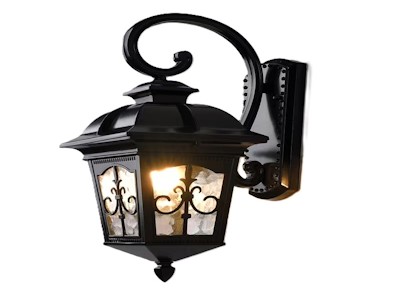
Ландшафтный дизайн — это не просто украшение пространства, а целое искусство, которое сочетает в себе эстетику, функциональность и гармонию с природой. Среди множества элементов, которые делают сад по-настоящему уникальным, пейзажное освещение занимает особое место. Оно не только подчеркивает красоту растений и архитектурных форм, но и создает атмосферу уюта и безопасности, превращая обычный сад в волшебное убежище после захода солнца. В этой статье мы глубоко погрузимся в мир пейзажного освещения, исследуя его историю, принципы, современные технологии и практические аспекты, чтобы помочь вам создать идеальное освещение для вашего сада.
Введение в пейзажное освещение
Пейзажное освещение, или ландшафтное освещение, — это специализированная область дизайна, которая фокусируется на использовании света для enhance визуальной привлекательности и функциональности outdoor пространств. Оно включает в себя strategic размещение источников света, таких как фонари, прожекторы и светодиодные ленты, чтобы highlight ключевые элементы сада, такие как деревья, кусты, дорожки, water features и архитектурные structures. Цель пейзажного освещения — не просто осветить территорию, а создать mood, подчеркнуть texture и depth, и обеспечить безопасность для передвижения в ночное время.
Исторически, освещение в садах использовалось с ancient times, например, в римских и китайских садах, где огонь и later масляные лампы служили для practical и decorative purposes. Однако modern пейзажное освещение начало развиваться в XX веке с advent electricity и innovations в light technology. Сегодня, с advances в LED и smart lighting, возможности стали практически limitless, позволяя дизайнерам создавать динамичные и energy-efficient системы.
Важность пейзажного освещения нельзя переоценить. Оно не только увеличивает usable hours сада, но и повышает property value, создает sense of security, и способствует mental well-being, предоставляя peaceful retreat после busy day. В этой статье мы рассмотрим, как effectively интегрировать освещение в ваш ландшафтный дизайн, от basic principles до advanced techniques.
Исторический контекст и эволюция пейзажного освещения
История пейзажного освещения уходит корнями в ancient civilizations. В Древнем Риме, например, сады often освещались torchlight during evening gatherings, что добавляло drama и elegance social events. Similarly, в традиционных японских садах, candlelight использовалось для создания meditative atmosphere вокруг tea houses и ponds. These early forms были primitive but effective в highlighting natural beauty.
С invention of gas lighting в XIX веке, освещение стало more accessible и widespread. Parks и public gardens в Europe начали incorporate газовые фонари, которые not only provided light но и became architectural elements themselves. Однако настоящая revolution произошла с introduction of electric lighting в late XIX и early XX веках. Pioneers like Thomas Edison и Nikola Tesla paved the way для outdoor lighting systems, которые могли быть controlled и customized.
В mid-XX century, ландшафтные дизайнеры начали experiment с light как artistic medium. Figures like James Rose и Thomas Church integrated lighting into their designs, emphasizing how light could shape perception of space. С 1980s, advent of low-voltage lighting systems made it easier и safer для homeowners to install outdoor lighting, democratizing access к professional-grade designs.
Сегодня, с rise of LED technology и smart home integration, пейзажное освещение evolved into highly sophisticated field. LEDs offer energy efficiency, long lifespan, и color versatility, allowing for creative expressions like color-changing lights и programmable scenes. Smart systems enable remote control via smartphones, automation based on time или motion, и integration with other home devices, making lighting more intuitive и responsive.
This evolution reflects broader trends in sustainability и technology, where lighting is not just functional but integral to experiential design. As we move forward, innovations in solar power, IoT, и biodegradable materials promise to make пейзажное освещение even more eco-friendly и innovative.
Основные принципы пейзажного освещения
Эффективное пейзажное освещение основывается на нескольких key principles, которые ensure both beauty и functionality. Эти principles guide дизайнеров в creating cohesive и impactful lighting schemes.
First, principle of layering involves using different types of light to create depth и interest. This includes:
- Ambient lighting: General illumination that provides overall light for safety и navigation, such as path lights или overhead fixtures.
- Task lighting: Focused light for specific activities, like grilling или reading on a patio, often achieved with spotlights.
- Accent lighting: Highlighting key features, such as trees, sculptures, или water features, to draw attention и create focal points.
- Decorative lighting: Elements that are artistic in themselves, like lanterns или string lights, adding charm и character.
Second, principle of balance ensures that light is distributed evenly without creating harsh shadows или glare. This involves considering intensity, color temperature, и direction of light. For example, warm white light (2700K-3000K) often creates cozy atmosphere, while cooler light (4000K-5000K) can enhance modern designs.
Third, principle of scale и proportion means matching the size и intensity of lights to the space. A small garden might benefit from subtle, low-level lighting, while a large estate could handle bold, dramatic effects.
Fourth, sustainability is increasingly important. Using energy-efficient LEDs, solar-powered lights, и timers can reduce environmental impact и operating costs. Additionally, minimizing light pollution by directing light downward и using shields helps preserve night skies и wildlife.
By adhering to these principles, you can create lighting that enhances the natural beauty of your garden while serving practical needs. In the following sections, we'll explore how to apply these principles in practice.
Типы освещения и их применение в саду
Разнообразие типов освещения позволяет tailored подход к каждому саду. Here are common types и their applications:
- Path lights: installed along walkways to guide movement и prevent accidents. They should be low to the ground чтобы avoid glare.
- Spotlights: used to accentuate features like trees или statues. They can be placed at ground level или mounted on structures.
- Floodlights: provide broad illumination for large areas, such as lawns или driveways, but should be used sparingly чтобы prevent light pollution.
- Step lights: embedded in steps или walls для safety на staircases.
- Underwater lights: for ponds или fountains, creating mesmerizing effects with light refraction.
- String lights: decorative options for patios или pergolas, adding festive touch.
- Smart lights: programmable LEDs that change color или intensity, offering flexibility для different occasions.
Each type serves specific purpose, и combination их can create layered effect. For instance, path lights ensure safety, while spotlights highlight a beautiful oak tree, и string lights add ambiance to seating area.
When choosing lights, consider factors like IP rating (for weather resistance), lumen output (brightness), и color rendering index (CRI) для accurate color representation. LED lights are preferred due to their efficiency, longevity, и low heat emission.
Application examples: In a cottage garden, use soft path lights и accent lights on flowering plants. In modern garden, employ minimalist spotlights и linear LEDs для clean lines. Always test lighting at night чтобы adjust positioning и avoid over-lighting.
Технологии и инновации в пейзажном освещении
Современные технологии revolutionised пейзажное освещение, делая его более accessible, efficient, и creative. Key innovations include:
LED technology: Light Emitting Diodes have become standard due to their energy efficiency (using up to 80% less energy than incandescent bulbs), long lifespan (25,000-50,000 hours), и versatility in color и dimming. They are available in various forms, from bulbs до strips, allowing seamless integration into designs.
Smart lighting systems: Integrated with IoT, these systems allow control via apps, voice commands, или automation. Features include scheduling, motion sensing, color changing, и energy monitoring. Brands like Philips Hue, LIFX, и Lutron offer solutions tailored for outdoor use.
Solar-powered lights:
Low-voltage lighting:
Wireless и Bluetooth controls:
Eco-friendly materials:
These technologies not only enhance functionality but also open new creative possibilities. For instance, dynamic lighting can simulate natural light cycles, supporting plant growth или creating circadian rhythms для outdoor living.
Looking ahead, emerging trends like Li-Fi (light-based internet), advanced sensors для adaptive lighting, и integration with augmented reality could further transform how we experience garden lighting.
Практические советы по проектированию и установке
Designing и installing пейзажное освещение requires careful planning чтобы achieve desired effects. Here are practical tips:
Start with a plan: Sketch your garden layout, noting key features, pathways, и areas needing light. Consider goals: safety, aesthetics, или both. Use software tools или consult professionals для complex designs.
Choose the right fixtures: Select lights based on purpose. For paths, use low-height bollard lights. For accenting, opt for adjustable spotlights. Ensure fixtures are rated for outdoor use (IP65 или higher для wet conditions).
Consider light placement: Avoid placing lights directly in eyesight чтобы prevent glare. Use downward-facing lights для paths и upward-facing для trees. Experiment with angles: front lighting emphasizes form, side lighting creates shadows для drama, back lighting silhouettes objects.
Calculate power needs: For low-voltage systems, determine total wattage и select appropriate transformer. Place transformer near power source и protect it from weather. Use gauge wire suitable for distance чтобы avoid voltage drop.
Installation steps: 1. Turn off power at breaker. 2. Lay out cables согласно plan, burying them 6-12 inches deep или using conduit для protection. 3. Connect fixtures to cables, ensuring waterproof connections. 4. Test system before final burial или mounting. 5. Secure fixtures with stakes или mounts.
Maintenance: Regularly clean lenses чтобы maintain brightness. Check connections для corrosion. Replace bulbs или LEDs as needed. In winter, protect systems from frost если not designed for cold weather.
For DIY enthusiasts, start with simple projects like path lighting. For complex setups, hire licensed electrician или landscape lighting specialist чтобы ensure safety и compliance with local codes.
Remember, less is often more. Overlighting can create sterile environment; aim for subtle highlights that enhance natural beauty.
Эстетические аспекты: как свет преобразует пространство
Light has profound impact на perception of space, influencing mood, focus, и aesthetic appeal. In ландшафтный дизайн, свет can transform ordinary garden into enchanting realm.
Creating atmosphere: Warm, soft light evokes coziness и intimacy, ideal для dining areas или relaxation spots. Cooler light can make space feel more expansive и modern. By mixing temperatures, you can define different zones within garden.
Highlighting textures: Directional light emphasizes textures of plants, stones, и materials. For example, grazing light on a brick wall reveals its roughness, while moonlight effect (soft, diffused light from above) creates gentle glow.
Adding depth: Using light и shadow, you can create illusion of depth. Backlighting trees делает их leaves translucent, adding layer of mystery. Pathway lighting с alternating sides guides eye through space, making it feel larger.
Seasonal adaptations: Change lighting with seasons. In summer, highlight blooming flowers; in winter, focus on evergreen structures. Smart lights allow easy adjustments для holidays или events.
Color psychology: Different colors evoke emotions. Blue light can feel calming, red energetic. Use sparingly чтобы avoid overwhelming natural colors. White light is versatile для most settings.
Examples: In Japanese garden, subtle lighting on water features creates reflective serenity. In English cottage garden, soft path lights enhance romantic feel. Always consider context: lighting should complement overall design style, not dominate it.
Ultimately, aesthetic success comes from trial и error. Visit your garden at night, make adjustments, и observe how light interacts with elements. The goal is to create harmonious composition that feels natural и inviting.
Экологические соображения и устойчивость
As environmental awareness grows, sustainable practices in пейзажное освещение are crucial. Here's how to minimize ecological impact:
Energy efficiency: Opt for LEDs, which consume less power и have longer lifespan than traditional bulbs. Look for ENERGY STAR ratings или similar certifications.
Solar power: Solar lights harness renewable energy, reducing reliance on grid. They are ideal для remote areas без electrical access. Choose models with efficient panels и batteries.
Light pollution reduction: Use shielded fixtures чтобы direct light downward, preventing skyglow. Avoid over-lighting; only illuminate necessary areas. This protects nocturnal wildlife и preserves starry skies.
Timers и sensors: Install motion sensors или timers чтобы lights only operate when needed, saving energy. Smart systems can adjust based on occupancy или daylight levels.
Eco-friendly materials: Select fixtures made from recycled, recyclable, или sustainable materials like aluminum, stainless steel, или bamboo. Avoid plastics если possible.
Water resistance: Ensure lights are waterproof чтобы prevent damage и reduce waste from replacements.
By adopting these practices, you not only reduce carbon footprint but also save money on energy bills. Additionally, sustainable lighting can enhance biodiversity by minimizing disruption to ecosystems.
Future trends may include biodegradable electronics или lights powered by kinetic energy from wind или water movement. Staying informed about innovations helps make greener choices.
Заключение: искусство света в вашем саду
Пейзажное освещение — это powerful tool that blends art и functionality, transforming gardens into magical spaces after dark. From its historical roots to modern technological advances, it offers endless possibilities для creativity и improvement.
By understanding principles, choosing right types, leveraging innovations, и following practical tips, you can design lighting that enhances safety, beauty, и sustainability. Remember to consider aesthetic impacts и environmental responsibilities.
Whether you're homeowner starting small или professional designing expansive estate, пейзажное освещение invites you to explore interplay of light и nature. Embrace this art to create sanctuary that delights senses и enriches life.
Освещение вашего сада — это не просто добавление света; это создание атмосферы, где каждый вечер становится незабываемым опытом. Начните с малого, экспериментируйте, и пусть ваш сад сияет во всей красе.
Предыдущая статья:
Энергия солнца яркий свет для парковки
Следующий пост:
Освещение парковки без проблем с водонепроницаемыми лампами