

Ваше местоположение:
Главная страница>
Информационный центр>
Какие технологии освещения подходят для парковых аллей
Какие технологии освещения подходят для парковых аллей
Время публикации:2025-12-19
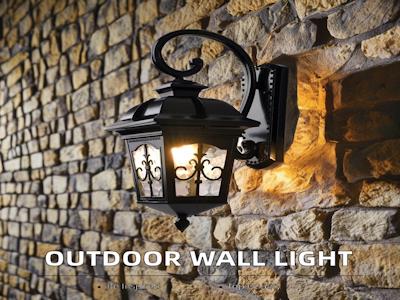
Парковые аллеи — это сердце городских и загородных зон отдыха, места, где люди наслаждаются природой, прогулками и общением. Однако, чтобы эти пространства оставались привлекательными и безопасными даже в темное время суток, необходимо тщательно продумать их освещение. В современном мире технологии освещения развиваются стремительными темпами, предлагая инновационные решения, которые не только улучшают видимость, но и экономят энергию, снижают воздействие на окружающую среду и создают уникальную атмосферу. В этой статье мы подробно рассмотрим, какие технологии освещения лучше всего подходят для парковых аллей, охватывая все аспекты — от классических вариантов до передовых умных систем. Мы обсудим преимущества светодиодного освещения, важность энергоэффективности, роль дизайна и безопасности, а также поделимся практическими советами по выбору и установке. Независимо от того, занимаетесь ли вы благоустройством общественного парка или частного сада, эта информация поможет вам принять обоснованное решение и создать освещение, которое преобразит ваше пространство.
Введение в освещение парковых аллей
Освещение парковых аллей играет ключевую роль в создании комфортной и безопасной среды. Оно не только позволяет посетителям ориентироваться в темноте, но и подчеркивает красоту природы, архитектуры и ландшафтного дизайна. Исторически для этого использовались простые фонари на основе ламп накаливания или газовых разрядов, но сегодня технологии шагнули далеко вперед. Современные системы предлагают широкий спектр возможностей: от регулируемой яркости до интеграции с IoT (Интернетом вещей) для автоматического управления. Выбор подходящей технологии зависит от множества факторов, таких как бюджет, климатические условия, экологические требования и желаемый эстетический эффект. В следующих разделах мы углубимся в детали, начиная с основ и заканчивая инновациями, чтобы вы могли полностью понять, что подходит именно для вашего проекта.
Преимущества современного освещения
Современные технологии освещения, такие как светодиоды (LED), предлагают numerous преимущества по сравнению с традиционными методами. Во-первых, они значительно более энергоэффективны, потребляя до 80% меньше электроэнергии, что приводит к существенной экономии на счетах за электричество и снижению углеродного следа. Во-вторых, LED-освещение имеет длительный срок службы — часто до 50,000 часов и более, что уменьшает частоту замены и затраты на обслуживание. Кроме того, эти технологии обеспечивают лучшее качество света с высоким индексом цветопередачи (CRI), что важно для подчеркивания natural colors растений и архитектуры в парках. Безопасность также улучшается благодаря равномерному распределению света и reduced risks ослепления или теней. В парковых аллеях, где пешеходы и велосипедисты делят пространство, это особенно критично. Добавьте к этому возможность диммирования и цветового изменения, и вы получите инструмент для создания dynamic atmospheres в зависимости от времени суток или событий. Например, мягкое теплое освещение может создать уютную атмосферу вечером, в то время как brighter white light улучшает видимость для безопасности.
Типы технологий освещения
Для парковых аллей доступны различные типы технологий освещения, каждый со своими характеристиками. Начнем с светодиодного (LED) освещения, которое стало золотым стандартом благодаря своей эффективности и versatility. LED-фонари могут быть интегрированы в столбы, ground-level fixtures, или даже в trees для естественного look. Они доступны в различных цветовых температурах, от warm white (2700K) до cool white (5000K), allowing customization под mood парка. Другой option — solar-powered lighting, которое использует photovoltaic panels для charging batteries в течение дня и providing light ночью. Это идеально для remote areas без доступа к electrical grid, reducing installation costs и environmental impact. Однако, solar systems могут быть less reliable в cloudy climates. Traditional technologies, такие как metal halide или high-pressure sodium lamps, still used в некоторых парках due to their low initial cost, но они inefficient и имеют short lifespan compared to LEDs. Additionally, smart lighting systems, incorporating sensors и connectivity, позволяют автоматически adjust brightness based on movement или time of day, further enhancing efficiency. For example, lights can dim when no one is around и brighten upon detection of pedestrians, saving energy без compromising safety.
Энергоэффективность и экология
В сегодняшнем мире, где устойчивое развитие становится приоритетом, энергоэффективность освещения для парковых аллей не просто желательна, а essential. LED technology leads the way here, consuming significantly less power than incandescent или halogen alternatives. Например, LED fixture мощностью 10W can produce same amount of light как 60W incandescent bulb, resulting в direct reduction electricity usage. This not only lowers operational costs но и contributes to national energy conservation goals. Many governments offer incentives или subsidies для adoption energy-efficient lighting, making it financially attractive. Ecologically, reduced energy consumption means lower greenhouse gas emissions от power plants, helping combat climate change. Furthermore, LEDs do not contain hazardous materials like mercury, which is present in some fluorescent lamps, making them safer для disposal и recycling. For park alleys, where nature is central, choosing eco-friendly options aligns with the ethos of preservation. Solar lighting takes this a step further by harnessing renewable energy, though it requires adequate sunlight exposure. Proper design, such as orienting solar panels optimally, can maximize efficiency. Additionally, smart controls can schedule lighting to minimize waste, например, turning off lights during daylight hours автоматически.
Безопасность и функциональность
Безопасность — paramount для парковых аллей, как для pedestrians, так и для property. Хорошее освещение deters criminal activity by eliminating dark spots где misconduct can occur. Studies show that well-lit areas have lower rates of vandalism и theft. functionally, it prevents accidents такие как trips и falls на uneven paths. LED lighting, with its ability to provide uniform illumination без glare, excels в этом. Options like bollard lights или path lights installed at ground level can outline walkways clearly, while taller pole lights cover broader areas. motion-sensor technology can enhance security by activating lights when movement is detected, alerting visitors и potential intruders. For alleys used by cyclists, ensuring that lighting is bright enough to see obstacles но не blinding is crucial. Color temperature plays a role too; cooler white light (4000-5000K) improves visibility для safety-critical areas, whereas warmer light (2700-3000K) creates a more inviting atmosphere. Regular maintenance is also key; burned-out bulbs или damaged fixtures should be replaced promptly to maintain safety standards. In smart systems, remote monitoring can alert authorities to issues before they become problems.
Эстетика и дизайн
Освещение парковых аллей isn't just about practicality; it's also an art form that enhances the beauty of the space. The right lighting can transform a simple path into a magical experience, highlighting architectural features, sculptures, or natural elements like trees and flowers. LED technology offers flexibility in design with options for color-changing lights, allowing seasonal themes или event-based displays. For instance, during holidays, lights can be set to red and green, or for summer evenings, a soft blue hue can evoke a tranquil mood. The placement of fixtures is crucial; uplighting trees creates dramatic shadows, while downlighting from poles ensures even coverage on paths. Design considerations include the style of fixtures—whether modern, minimalist, or traditional—to complement the park's aesthetic. Materials should be durable and weather-resistant, especially in outdoor environments. Smart lighting can be programmed for dynamic effects, such as fading in at dusk and out at dawn, adding to the visual appeal. Collaborating with landscape architects can ensure that lighting integrates seamlessly with the overall design, enhancing rather than detracting from the natural surroundings.
Умные технологии и автоматизация
The integration of smart technologies into lighting systems for park alleys represents the cutting edge of innovation. Smart lighting uses IoT connectivity to enable remote control, monitoring, and automation. Sensors can detect ambient light levels, adjusting brightness to save energy—for example, dimming lights on bright moonlit nights. Motion sensors can activate lights only when needed, reducing unnecessary usage. Data collected from these systems can provide insights into usage patterns, helping optimize maintenance schedules. Smart lighting can be part of a larger smart city infrastructure, integrating with other services like security cameras or environmental monitors. For park managers, mobile apps allow real-time adjustments, such as increasing light levels for a special event. The initial investment in smart systems may be higher, but the long-term savings in energy and maintenance often justify it. Additionally, these technologies support sustainability goals by minimizing waste. As 5G and other advances roll out, the possibilities will expand, including predictive maintenance using AI to foresee fixture failures before they happen.
Практические советы по выбору и установке
Choosing the right lighting technology for park alleys involves several practical steps. First, assess the specific needs of your space: consider the width of the alleys, the amount of foot traffic, and the desired ambiance. For high-traffic areas, brighter LED fixtures with higher lumens are advisable. Next, evaluate the power source; if grid electricity is available, LED is optimal, but for off-grid locations, solar might be better. Budget is a key factor; while LEDs have higher upfront costs, their longevity and efficiency lead to lower total cost of ownership. When installing, work with certified electricians to ensure compliance with local codes and safety standards. Proper spacing of fixtures is important to avoid dark spots; a general rule is to place lights every 6-10 meters for paths. Use weather-resistant materials to withstand elements like rain and wind. For smart systems, ensure compatibility with existing infrastructure and plan for cybersecurity measures to protect against hacking. Regular maintenance, such as cleaning lenses and checking connections, will prolong lifespan. Finally, consider pilot testing a small section before full implementation to gauge effectiveness and make adjustments.
Заключение и будущие тенденции
В заключение, выбор технологий освещения для парковых аллей should be guided by a balance of efficiency, safety, aesthetics, and sustainability. LED lighting stands out as the most versatile and cost-effective option, with smart technologies adding layers of functionality. As we look to the future, trends point towards even greater integration with renewable energy sources, such as advancements in solar storage, and the use of AI for predictive analytics. Biophilic design, which mimics natural light patterns, may become more popular to enhance well-being. Ultimately, investing in modern lighting not only improves the user experience but also contributes to environmental stewardship. By adopting these technologies, park administrators can create spaces that are inviting, secure, and beautiful around the clock. We encourage you to explore these options and consult with experts to tailor solutions to your specific needs, ensuring that your park alleys shine bright for years to come.
Предыдущая статья:
Современное освещение садов превращает ночь в день
Следующий пост:
10 главных преимуществ LED освещения для вашего бизнеса