

Ваше местоположение:
Главная страница>
Информационный центр>
Освещение Вашего Приключения Яркость и Эффективность в Одном
Освещение Вашего Приключения Яркость и Эффективность в Одном
Время публикации:2025-12-18
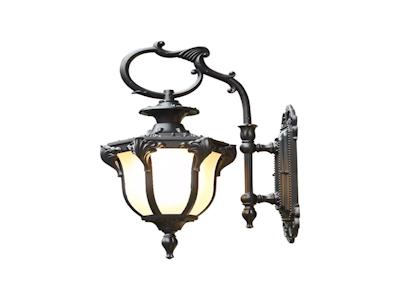
В мире, где приключения становятся все более доступными и разнообразными, освещение играет ключевую роль в обеспечении безопасности, комфорта и незабываемых впечатлений. Независимо от того, отправляетесь ли вы в поход по дикой природе, исследуете городские улицы ночью или просто наслаждаетесь вечерним отдыхом на открытом воздухе, правильное освещение может превратить обычный момент в захватывающее приключение. В этой статье мы подробно рассмотрим, как сочетание яркости и эффективности в современных осветительных решениях может помочь вам максимально использовать ваши путешествия и активный отдых. Мы обсудим технологии, преимущества и практические советы, чтобы вы могли выбрать идеальное освещение для своих нужд.
Введение в важность освещения
Освещение — это не просто источник света; это инструмент, который формирует наше восприятие окружающего мира. В контексте приключений, оно может быть разницей между успешным завершением маршрута и потенциально опасной ситуацией. Представьте себе ночной поход без надежного фонаря: темнота может скрывать препятствия, увеличивать риск травм и лишать вас возможности наслаждаться красотой природы. С другой стороны, качественное освещение обеспечивает видимость, повышает настроение и даже может использоваться для сигнализации в экстренных случаях.
Исторически, освещение для приключений эволюционировало от простых факелов и масляных ламп до современных LED-технологий. Ранние методы были неэффективны и опасны: факелы могли вызвать пожары, а масляные лампы требовали постоянного обслуживания. С изобретением электрических ламп накаливания в XIX веке ситуация улучшилась, но эти источники все еще были хрупкими и потребляли много энергии. Прорыв произошел с появлением светодиодов (LED) в конце XX века, которые предложили беспрецедентную эффективность, долговечность и яркость. Сегодня, LED-освещение доминирует в рынке, позволяя создавать компактные, мощные и энергоэффективные устройства, идеальные для любых приключений.
В этой статье мы углубимся в аспекты яркости и эффективности, объясняя, почему они так важны. Яркость, измеряемая в люменах, определяет, насколько светлым будет ваше окружение, в то время как эффективность, обычно выражаемая в люменах на ватт, показывает, как много света вы получаете на единицу потребляемой энергии. Баланс между этими двумя факторами — ключ к оптимальному освещению. Например, для многодневного похода вам нужно устройство, которое提供 яркий свет, но не разряжает батареи слишком быстро. Мы рассмотрим различные типы осветительных приборов, от ручных фонарей до стационарных систем, и как они могут быть адаптированы под конкретные сценарии приключений.
Кроме того, мы затронем экологические и экономические преимущества энергоэффективного освещения. В эпоху изменения климата и растущих затрат на энергию, выбор устройств с низким энергопотреблением не только экономит деньги, но и снижает углеродный след. Это особенно актуально для любителей активного отдыха, которые часто ценят устойчивость и минимальное воздействие на природу. В следующих разделах мы предоставим детальные сравнения, советы по выбору и реальные примеры того, как освещение может преобразить ваши приключения.
Технологии освещения: от традиционных к современным
Развитие осветительных технологий прошло долгий путь, и понимание этого прогресса помогает appreciate современные возможности. Начнем с традиционных методов: факелы, используемые с древних времен,提供 open flame light, но были непрактичны из-за дыма, короткого времени горения и риска возгорания. Масляные лампы, популярные в XIX веке, улучшили ситуацию, предлагая более стабильный свет, но все еще требовали частой заправки и могли проливаться, создавая опасность.
Электрические лампы накаливания, изобретенные Томасом Эдисоном, революционизировали освещение в конце 1800-х годов. Они были надежнее и ярче, но имели низкую эффективность: только about 10% энергии преобразовывалось в свет, остальное уходило в heat. Это делало их неподходящими для портативного использования, так как батареи быстро разряжались. Флуоресцентные лампы, появившиеся в mid-XX века, предложили лучшую эффективность, но были громоздкими и содержали ртуть, что ограничивало их применение в приключениях.
Настоящий переломный момент наступил с LED-технологией. Light Emitting Diodes (светодиоды) работают на принципе electroluminescence, где электрический ток passes through a semiconductor material to produce light. Это process highly efficient, with LEDs converting up to 90% of energy into light, compared to 10% for incandescent bulbs. Additionally, LEDs are durable, shock-resistant, and have a long lifespan—often exceeding 50,000 hours. This makes them perfect for adventure gear, where reliability is paramount.
Современные LED-устройства предлагают adjustable brightness levels, color temperatures, and even smart features like connectivity to smartphones via Bluetooth or Wi-Fi. For example, some headlamps allow you to dim the light to conserve battery during long hikes, or switch to a red light mode for night vision preservation. The integration of renewable energy sources, such as solar panels or hand-crank generators, further enhances efficiency, enabling off-grid adventures without worrying about power sources.
In terms of brightness, LEDs can produce thousands of lumens from a small package, making them ideal for everything from reading in a tent to illuminating a dark trail. Efficiency is measured in lumens per watt; high-end LEDs achieve over 100 lumens per watt, meaning they provide ample light while consuming minimal power. This is crucial for adventures where weight and space are limited, as you can carry smaller batteries or power banks.
Looking ahead, emerging technologies like Organic LEDs (OLEDs) and Laser LEDs promise even greater advances. OLEDs offer flexible and thin lighting solutions, potentially leading to wearable light strips for clothing or gear. Laser LEDs, used in some high-end flashlights, provide extremely focused beams with incredible range. However, for most adventure purposes, standard LEDs remain the best choice due to their affordability, availability, and proven performance.
В этом разделе мы highlighted key technological shifts, but it's important to note that the best technology depends on the specific adventure. For instance, a waterproof LED headlamp is essential for kayaking, while a compact LED lantern might suffice for car camping. In the next section, we'll dive into the balance between brightness and efficiency, and how to choose the right device for your needs.
Яркость: почему это важно для приключений
Яркость, или световой поток, измеряемый в люменах (lm), является фундаментальным параметром любого осветительного устройства. Она определяет, насколько хорошо вы можете видеть в темноте, и напрямую влияет на безопасность и удовольствие от приключения. Для разных scenarios требуются разные уровни яркости. Например, чтение книги в палатке может потребовать всего 50-100 lumens, whereas navigating a treacherous mountain path at night might need 500-1000 lumens or more.
High brightness is particularly crucial in emergency situations. If you get lost or injured, a powerful light can serve as a distress signal, visible from long distances. It can also deter wild animals or unwanted encounters, adding a layer of security. However, more brightness isn't always better; it must be balanced with battery life and usability. A light that is too bright can cause glare, temporarily blinding you or others, and waste energy unnecessarily.
Modern LED devices often feature multiple brightness settings, allowing you to adjust based on the situation. For instance, many headlamps have a low mode for around camp, a medium mode for walking, and a high mode for emergencies. Some even include strobe or SOS functions for signaling. The key is to understand your typical usage and choose a device with a maximum brightness that meets your highest potential need, but also offers lower settings for efficiency.
Another aspect of brightness is beam type. Flood beams provide wide, even illumination ideal for close-up tasks like setting up a tent, while spot beams focus light into a narrow beam for long-distance viewing. Many adventure lights combine both, with adjustable focus or dual LEDs. For example, a flashlight with a zoom function can switch between flood and spot, offering versatility for various adventures.
In terms of measurement, brightness can be misleading if not considered with other factors like beam distance and runtime. A light might claim 1000 lumens, but if it only lasts for 30 minutes on that setting, it's not practical for long trips. Always check the manufacturer's specifications for runtime at different brightness levels. Additionally, consider the color temperature of the light; warmer tones (around 3000K) are less harsh on the eyes and better for preserving night vision, while cooler tones (5000K and above) provide a brighter, more alert feel.
For adventure-specific examples, think about caving: it requires very high brightness to penetrate deep darkness, often 1000+ lumens with good beam distance. Conversely, for a leisurely evening picnic, a soft lantern with 200 lumens might be sufficient. By tailoring brightness to the activity, you can enhance your experience without carrying unnecessary weight or draining batteries.
Ultimately, brightness is about enabling vision and confidence. It allows you to explore safely, appreciate details in the environment, and handle unexpected challenges. In the next part, we'll discuss efficiency—how to make that brightness last as long as possible.
Эффективность: maximizing energy use
Эффективность освещения refers to how much light is produced per unit of energy consumed, typically measured in lumens per watt (lm/W). For adventure gear, high efficiency is critical because it extends battery life, reduces the need for spare batteries or recharging, and minimizes weight in your pack. In remote areas where power sources are scarce, an efficient light can be the difference between a comfortable night and a stressful one.
LED technology excels in efficiency, with modern LEDs achieving 100-200 lm/W or more, compared to 10-17 lm/W for incandescent bulbs and 50-100 lm/W for fluorescents. This means that for the same battery capacity, an LED light will run much longer or provide brighter light. For example, a typical AA battery might power an incandescent bulb for a few hours at low brightness, but an LED bulb could run for tens of hours at higher brightness.
Efficiency is influenced by several factors, including the quality of the LED chip, the driver circuitry, and the overall design of the device. High-quality LEDs from reputable brands like Cree or Philips tend to have better efficiency and consistency. The driver circuit regulates power to the LED, optimizing performance and preventing energy waste. Some advanced lights use pulse-width modulation (PWM) to dim the light efficiently, rather than simply reducing voltage, which can save additional power.
Battery technology also plays a role. Lithium-ion batteries are now standard in many adventure lights due to their high energy density, lightweight, and ability to hold charge for long periods. They pair well with efficient LEDs, enabling devices like headlamps to run for over 100 hours on low settings. Rechargeable options are especially popular, as they reduce waste and cost over time. Solar chargers or power banks can further enhance efficiency by allowing you to recharge on the go.
To maximize efficiency in practice, users should adopt habits like using the lowest brightness setting necessary, turning off the light when not in use, and choosing devices with energy-saving modes. Many modern lights have automatic shut-off timers or motion sensors to prevent accidental drain. Additionally, maintaining your gear—keeping lenses clean and batteries fully charged—ensures optimal performance.
From an environmental perspective, efficient lighting reduces carbon emissions by decreasing energy consumption. For adventure enthusiasts who value sustainability, this is a significant benefit. It aligns with the 'Leave No Trace' principles, minimizing impact on natural environments. Economically, efficient lights save money in the long run by reducing battery replacements or electricity costs.
In summary, efficiency ensures that your adventure lighting is practical, sustainable, and cost-effective. By prioritizing high lm/W ratings and smart features, you can enjoy bright light without compromise. Next, we'll explore how to balance brightness and efficiency in real-world scenarios.
Баланс яркости и эффективности: практические советы
Finding the right balance between brightness and efficiency is essential for optimizing your adventure lighting. It's not about choosing one over the other, but rather selecting devices that offer a good compromise based on your specific needs. Here are some practical tips to help you achieve this balance.
First, assess your typical adventure activities. Are you mostly day hiking with occasional night use, or do you frequently camp in darkness? For low-light needs, a device with moderate brightness (200-500 lumens) and high efficiency might suffice. For example, a headlamp with 300 lumens on high mode that can run for 10 hours is great for most trails. If you need more power, look for lights with adjustable settings so you can switch to lower modes when possible.
Second, consider the battery type and capacity. Devices with built-in rechargeable batteries often offer better efficiency and convenience. Lithium-ion batteries are preferred for their light weight and long life. Calculate the runtime: if a light claims 1000 lumens for 2 hours but 100 lumens for 20 hours, you can plan your usage accordingly. Always carry spare batteries or a power bank for longer trips.
Third, look for features that enhance efficiency, such as dimming options, red light modes (which use less power and preserve night vision), and energy-saving indicators. Some lights have 'boost' modes for short bursts of high brightness, which is efficient for emergencies without constant high drain.
Fourth, compare products based on lumens per watt. A light with 500 lumens that consumes 5 watts is more efficient (100 lm/W) than one with 500 lumens consuming 10 watts (50 lm/W). Read reviews and specifications carefully to avoid marketing gimmicks; real-world tests often provide better insights.
Fifth, think about the weight and size of the device. Efficiency isn't just about energy; it's also about portability. A lightweight, efficient light means you can carry less overall gear. For instance, a compact LED lantern that weighs under 200 grams but provides 100 lumens for 50 hours is ideal for backpacking.
Sixth, incorporate renewable energy. Solar-powered lights or those with hand cranks can be highly efficient for off-grid adventures, though they may have limitations in cloudy weather. Use them as backups or for recharging other devices.
Finally, test your gear before heading out. Practice using different brightness settings to see what works best for your eyes and battery life. Adjust based on conditions: use high brightness only when necessary, and switch to low for ambient lighting.
By applying these tips, you can ensure that your lighting is both bright and efficient, enhancing your adventures without unnecessary burdens. In the next section, we'll discuss specific types of adventure lighting and their applications.
Типы осветительных устройств для приключений
There is a wide variety of lighting devices designed for different adventure scenarios. Understanding the options helps you choose the right tool for the job. Here, we categorize them into common types: headlamps, flashlights, lanterns, and specialty lights.
Headlamps are hands-free lights worn on the head, ideal for activities like hiking, climbing, or camping where you need both hands free. They typically offer brightness from 100 to 1000+ lumens, with adjustable beams and tilt functions. Efficiency varies; look for models with long runtimes on lower settings. Examples include the Black Diamond Spot or Petzl Actik, which are popular for their balance of brightness and battery life.
Flashlights are handheld lights that provide focused beams, great for signaling, detailed tasks, or when you need directed light. They range from compact keychain lights (50 lumens) to powerful tactical flashlights (2000+ lumens). Efficiency is key here; many high-end flashlights use advanced LEDs and drivers to maximize output. Brands like Fenix or Olight are known for their efficient designs.
Lanterns provide 360-degree illumination, perfect for lighting up a campsite or tent interior. They often have lower brightness (100-500 lumens) but longer runtimes due to their efficient diffuse light. Some are collapsible for easy packing. Battery-powered or solar options are common. For instance, the Goal Zero Lighthouse lantern is efficient and can be recharged via solar.
Specialty lights include items like bike lights, which need to be bright for visibility but efficient for long rides, or underwater lights for diving. These often have specific certifications for water resistance or impact resistance. Efficiency is crucial here to avoid frequent battery changes in challenging environments.
Additionally, there are wearable lights like LED armbands or jacket-integrated lights for running or cycling, which prioritize visibility and efficiency. Smart lights with app control allow you to customize settings for optimal balance.
When choosing, consider the IP rating for water and dust resistance, which affects durability and efficiency in harsh conditions. A higher IP rating (e.g., IP67) means better protection and longer life.
By selecting the appropriate type for your adventure, you can ensure that your lighting is both effective and efficient. In the conclusion, we'll recap the importance of brightness and efficiency and encourage readers to make informed choices.
Заключение: освещайте ваши приключения с умом
В заключение, сочетание яркости и эффективности в освещении является cornerstone успешных и безопасных приключений. Современные LED-технологии предоставляют беспрецедентные возможности, позволяя наслаждаться ярким светом без компромиссов в энергопотреблении. Путем выбора устройств с adjustable настройками, high lm/W ratings, и smart features, вы можете адаптировать освещение под любую ситуацию.
Помните, что лучшее освещение — это то, которое meets your specific needs while conserving resources. Whether you're a casual hiker or an extreme adventurer, investing in quality, efficient lighting will enhance your experiences and keep you safe. Embrace the advancements in technology, but always prioritize practicality and sustainability.
We hope this article has illuminated the path to better adventure lighting. Brightness and efficiency together can truly make your adventures shine. Happy exploring!
Предыдущая статья:
Как низкая подвеска светильников меняет восприятие пространства
Следующий пост:
Новое поколение высоких уличных фонарей меняет городские пейзажи навсегда