

Ваше местоположение:
Главная страница>
Информационный центр>
Освещение тропы LED лампами меняет ночной ландшафт навсегда
Освещение тропы LED лампами меняет ночной ландшафт навсегда
Время публикации:2025-12-17
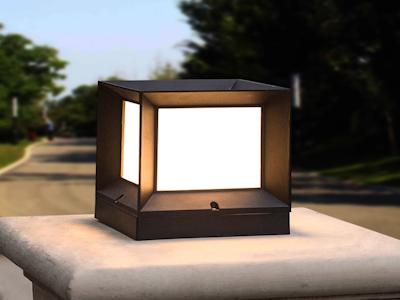
В мире, где технологии стремительно развиваются, освещение играет ключевую роль не только в функциональности, но и в эстетике нашего окружения. LED лампы, или светодиодные источники света, стали настоящим прорывом, революционизируя то, как мы воспринимаем и используем свет. Особенно это заметно в контексте освещения троп и пешеходных дорожек, где традиционные методы уступают место инновационным решениям. В этой статье мы глубоко погрузимся в то, как LED освещение трансформирует ночной ландшафт, делая его безопаснее, красивее и устойчивее. От исторического контекста до будущих тенденций – мы рассмотрим все аспекты этого захватывающего изменения.
История освещения: от факелов к светодиодам
Освещение всегда было фундаментальной потребностью человечества. С древних времен люди использовали простые источники, такие как факелы и масляные лампы, чтобы осветить пути в ночи. Эти методы были неэффективны, опасны и ограничены по охвату. С изобретением электричества в XIX веке появились первые уличные фонари, которые работали на газе или угольных лампах. Они знаменовали прогресс, но все еще были энергоемкими и загрязняющими окружающую среду.
В XX веке лампы накаливания и люминесцентные лампы стали стандартом, предлагая более яркий и надежный свет. Однако они имели серьезные недостатки: высокое энергопотребление, короткий срок службы и выбросы тепла. Например, традиционные лампы накаливания тратят до 90% энергии в виде тепла, а не света, что делает их крайне неэффективными для масштабного использования на тропах и в общественных пространствах.
Переломный момент наступил с развитием светодиодной технологии. LED (Light Emitting Diode) лампы, впервые разработанные в 1960-х годах, изначально использовались в электронике как индикаторы. Но с улучшением их яркости и эффективности они начали проникать в освещение. К началу XXI века LED лампы стали доступны для массового рынка, предлагая беспрецедентные преимущества: низкое энергопотребление, долгий срок службы (до 50,000 часов и более), экологическую чистоту и гибкость в дизайне.
Сегодня LED освещение доминирует в urban planning и ландшафтном дизайне. Оно не только экономит ресурсы, но и открывает новые возможности для творческого подхода к ночным пейзажам. Освещение троп с помощью LED ламп – это не просто техническое улучшение; это культурный сдвиг, отражающий стремление к устойчивому развитию и эстетическому совершенству.
Преимущества LED освещения для троп
LED лампы предлагают множество преимуществ, которые делают их идеальным выбором для освещения троп. Во-первых, энергоэффективность. LED лампы потребляют на 80-90% меньше энергии по сравнению с традиционными лампами накаливания. Это означает значительную экономию на электричестве для муниципалитетов и частных владельцев. Например, город может сократить свои счета за освещение на тысячи долларов в год, переключившись на LED, что особенно важно в эпоху роста цен на энергию.
Во-вторых, долговечность. LED лампы служат в 25 раз дольше, чем лампы накаливания, и в 2-5 раз дольше, чем люминесцентные лампы. Это снижает частоту замены и затраты на обслуживание. Для троп, которые часто находятся в удаленных или труднодоступных местах, это огромное преимущество, так как减少了 необходимость частого вмешательства.
В-третьих, экологичность. LED лампы не содержат ртути и других вредных веществ, в отличие от люминесцентных ламп, которые требуют специальной утилизации. Они также производят меньше CO2 emissions due to lower energy consumption. Это aligns with global efforts to combat climate change and promote sustainability.
Кроме того, LED освещение предлагает superior light quality. Оно обеспечивает равномерное, яркое освещение без мерцания, что улучшает видимость и безопасность на тропах. Свет можно настроить по цветовой температуре (от теплого белого до холодного белого), чтобы создать desired ambiance. Например, теплый свет может сделать тропу более inviting and comfortable, while cool light enhances visibility for security purposes.
Наконец, гибкость дизайна. LED лампы доступны в различных формах и размерах, allowing for creative integration into landscape elements. They can be used to highlight natural features, create artistic patterns, or even interact with smart technology for dynamic lighting effects.
Трансформация ночного ландшафта
Освещение троп LED лампами коренным образом меняет ночной ландшафт. Traditionally, nightscapes were dominated by harsh, orange-glowing sodium vapor lamps or dim incandescent lights that often created light pollution and disrupted natural darkness. LED technology allows for precise control of light direction and intensity, minimizing light trespass and skyglow.
With LED照明, тропы can be illuminated in a way that enhances the natural beauty of the environment. For instance, in parks and natural reserves, LED lights can be strategically placed to follow the contours of paths, creating a subtle and harmonious glow that blends with the surroundings. This not only improves safety for pedestrians but also preserves the nocturnal ecosystem by reducing disturbance to wildlife.
In urban areas, LED освещение can transform mundane pathways into vibrant public spaces. Dynamic lighting systems can change colors or intensity based on time of day, events, or even weather conditions, adding an element of interactivity and fun. This encourages people to use these spaces more frequently, promoting community engagement and outdoor activities.
Moreover, the aesthetic appeal of LED lighting cannot be overstated. It allows for artistic expressions such as light festivals or permanent installations that turn trails into works of art. For example, the use of colored LEDs can create mesmerizing effects that change the perception of space and time, making night walks a magical experience.
This transformation is not just visual; it has psychological benefits as well. Well-lit environments reduce fear of crime and increase feelings of safety, which is crucial for encouraging nighttime recreation. Studies have shown that proper lighting can reduce accident rates by up to 30% on pedestrian paths.
Примеры успешных внедрений
По всему миру есть numerous examples of successful LED lighting implementations on trails. In Copenhagen, Denmark, the city has installed LED lights along its bicycle paths, resulting in a 20% reduction in energy consumption and a significant improvement in cyclist safety. The lights are integrated with motion sensors to brighten when cyclists approach, further enhancing efficiency.
In the United States, the city of Los Angeles replaced over 140,000 street lights with LEDs, including those on hiking trails in Griffith Park. This project saved the city millions of dollars in energy costs and reduced carbon emissions by thousands of tons annually. The LED lights provide clear, white light that improves visibility for hikers and reduces light pollution.
In Asia, Singapore's Gardens by the Bay feature extensive LED lighting on their elevated walkways, creating a stunning nocturnal display that attracts tourists from around the world. The lights are programmed to change colors, syncing with music and events, demonstrating how LED technology can enhance cultural and recreational spaces.
Another notable example is the Illuminated River project in London, where LED lights are used to illuminate bridges and adjacent paths, transforming the Thames River into a dynamic artwork at night. This not only boosts tourism but also promotes nighttime walking and cycling.
These case studies highlight the versatility and impact of LED lighting. They show that whether in urban or natural settings, LED lamps can be tailored to meet specific needs, from energy savings to aesthetic enhancement.
Будущее LED освещения троп
Будущее LED освещения выглядит extremely promising. With advancements in technology, we can expect even greater efficiency, smarter controls, and more integrated designs. The integration of IoT (Internet of Things) will allow for adaptive lighting systems that respond in real-time to environmental conditions and user behavior.
For example, future LED lights on trails could be equipped with sensors that detect pedestrian traffic, adjusting brightness to conserve energy when no one is around. They could also monitor air quality, weather, or even provide Wi-Fi connectivity, turning lighting infrastructure into a multifunctional platform.
Additionally, developments in solar-powered LED lights will make освещение троп even more sustainable, especially in remote areas without access to the electrical grid. These systems can store energy during the day and provide light at night, offering a completely off-grid solution.
Artistic innovations will continue to evolve, with possibilities for interactive light displays that engage communities. Imagine trails where lights change color based on your footsteps or create patterns that tell stories, enhancing the educational and recreational value.
Overall, the trend is towards more human-centric and environmentally friendly lighting. As costs continue to decrease and awareness grows, LED освещение will become the standard for trails worldwide, forever changing how we experience the night landscape.
Заключение
В заключение, освещение троп LED лампами – это не просто technological upgrade; it is a transformative force that reshapes our nocturnal environment for the better. By offering energy efficiency, durability, environmental benefits, and aesthetic flexibility, LED lighting ensures that trails are safer, more beautiful, and sustainable. As we move forward, embracing these innovations will be key to creating livable, vibrant communities that thrive day and night. The night landscape will never be the same – it will be brighter, smarter, and more enchanting thanks to LED technology.
This article has explored the journey from historical lighting methods to the LED revolution, highlighted the advantages, showcased real-world examples, and peered into the future. It is clear that LED освещение is here to stay, and its impact on trails is just the beginning of a larger movement towards intelligent and sustainable urban design. Let's embrace this change and light up our paths to a brighter future.
Предыдущая статья:
Экономьте энергию с солнечными светильниками для дома
Следующий пост:
Ослепительная водонепроницаемая лампа для дорожек