

Ваше местоположение:
Главная страница>
Информационный центр>
Как умный садовый фонарь экономит электроэнергию на вашем участке
Как умный садовый фонарь экономит электроэнергию на вашем участке
Время публикации:2025-12-16
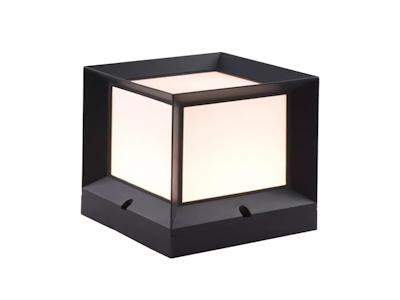
В современном мире, где вопросы энергоэффективности и экологии становятся все более актуальными, умные технологии проникают во все сферы жизни, включая садовое освещение. Умные садовые фонари — это не просто источник света, а интеллектуальные устройства, способные значительно снизить потребление электроэнергии на вашем участке. В этой статье мы подробно рассмотрим, как эти инновационные решения работают, их преимущества, и почему они являются оптимальным выбором для экономии ресурсов и повышения комфорта.
Введение в умное садовое освещение
Умные садовые фонари — это осветительные приборы, оснащенные микропроцессорами, датчиками и беспроводными технологиями, которые позволяют автоматически регулировать освещение в зависимости от внешних условий. В отличие от традиционных фонарей, которые работают постоянно или управляются вручную, умные варианты используют алгоритмы для минимизации энергопотребления. Это включает в себя адаптацию к времени суток, погодным условиям, присутствию людей и другим факторам. Основная цель — обеспечить необходимый свет только тогда, когда это действительно нужно, тем самым сокращая бесполезную трату электроэнергии.
История развития умного освещения началась с появления светодиодных (LED) технологий в начале 2000-х годов, которые сами по себе более энергоэффективны, чем лампы накаливания или галогенные лампы. Однако настоящий прорыв произошел с интеграцией интернета вещей (IoT), позволившей устройствам обмениваться данными и принимать решения автономно. Сегодня умные фонари могут подключаться к домашним сетям Wi-Fi или использовать протоколы like Zigbee или Z-Wave для управления через смартфон или голосовые помощники. Это не только удобно, но и ключевой фактор в экономии энергии.
Для садового участка умное освещение особенно важно, так как эта зона часто используется непостоянно — например, только вечерами или при наличии гостей. Традиционные системы, работающие по таймеру или вручную, могут светить впустую, потребляя энергию даже когда никого нет. Умные фонари решают эту проблему, активируясь лишь при необходимости. Это не только экономит электроэнергию, но и продлевает срок службы оборудования, снижает затраты на обслуживание и contributes to a more sustainable lifestyle.
Принципы работы умных садовых фонарей
Умные садовые фонари экономичны благодаря нескольким ключевым технологиям. Во-первых, это использование светодиодных (LED) ламп. LED технологии consume up to 80% less energy compared to incandescent bulbs and have a longer lifespan, often exceeding 25,000 hours. This means less frequent replacements and lower overall energy usage. Additionally, LEDs provide bright, focused light, which reduces waste by illuminating only targeted areas rather than scattering light inefficiently.
Secondly, smart фонари incorporate sensors such as motion detectors, light sensors, and sometimes even cameras or environmental sensors. Motion detectors activate the light only when movement is detected, ensuring that energy is not wasted when the area is unoccupied. For example, a фонарь might remain off during the day or when no one is around, and instantly turn on when someone approaches, providing safety and convenience without constant operation. Light sensors, or photocells, automatically adjust the brightness based on ambient light levels. At dusk, the фонарь turns on at a lower intensity, and as darkness falls, it might increase brightness, but only if needed. This prevents unnecessary illumination during daylight hours.
Thirdly, automation and connectivity play a crucial role. Through smartphone apps or home automation systems like Google Home or Amazon Alexa, users can set schedules, zones, and scenarios. For instance, you can program фонари to turn on only from 6 PM to 11 PM, or to dim after midnight to save energy. Some advanced systems use machine learning to adapt to user habits over time, further optimizing energy use. Wireless connectivity also allows for remote monitoring and control, so you can turn off lights accidentally left on from anywhere, preventing energy waste.
Another innovative feature is the integration of solar panels. Many умные садовые фонари are solar-powered, meaning they harness energy from the sun during the day to charge built-in batteries, which then power the lights at night. This eliminates the need for grid electricity entirely, making them completely energy-independent and cost-free in terms of operational energy. Even if not fully solar, hybrid models can use solar energy to supplement grid power, reducing overall consumption.
In summary, the combination of LED efficiency, sensor-based activation, automated control, and renewable energy integration makes умные фонари highly effective at saving electricity. They ensure that every watt of energy is used purposefully, aligning with modern demands for sustainability and smart living.
Преимущества экономии электроэнергии
Экономия электроэнергии с умными садовыми фонарями manifests in multiple ways. Firstly, reduced operational costs: by consuming less power, these lights lower your electricity bills. For example, a traditional 60W incandescent bulb running for 8 hours a day uses about 0.48 kWh daily, whereas an LED smart фонарь with motion sensor might use only 0.1 kWh or less, depending on usage patterns. Over a year, this can save significant amounts—imagine reducing your energy consumption by 50-80% just for outdoor lighting.
Secondly, longevity and maintenance savings. LED bulbs last longer, meaning fewer replacements and less waste. Smart systems often include diagnostics that alert you to issues before they become problems, preventing energy waste from malfunctioning equipment. For instance, a фонарь that automatically dims or turns off when not needed reduces wear and tear, extending its life.
Thirdly, environmental benefits. Lower energy consumption means reduced carbon footprint. If millions of households adopt smart lighting, it could collectively save gigawatts of electricity, contributing to global efforts against climate change. Solar-powered models take this further by using renewable energy, making them eco-friendly from production to disposal.
Additionally, умные фонари enhance safety and security without excess energy use. They provide light exactly when and where it's needed, such as illuminating a path when someone walks by, which deters intruders and prevents accidents. This targeted approach means you don't need to keep lights on all night for security, further saving energy.
Real-world examples abound. In a case study, a household with traditional lighting spent about $100 annually on garden lighting electricity, but after switching to smart solar-powered фонари, costs dropped to nearly zero. Moreover, government incentives or rebates for energy-efficient devices can make the initial investment even more attractive.
In essence, the energy savings from smart garden lights are not just about lower bills; they represent a smarter, more responsible way to manage resources, aligning with trends like green building and smart cities.
Технологии, лежащие в основе умных фонарей
Умные садовые фонари rely on a suite of advanced technologies to achieve energy efficiency. Starting with LED illumination: LEDs are semiconductors that convert electricity directly into light with minimal heat loss, unlike incandescent bulbs that waste energy as heat. They are available in various color temperatures and brightness levels, allowing for customization that matches specific needs without over-lighting.
Sensor technology is critical. Motion sensors use infrared or microwave signals to detect movement, triggering the light only when necessary. Advanced versions can distinguish between humans, animals, and wind-blown objects to avoid false alarms. Light sensors measure ambient light and adjust accordingly; for example, they might keep lights off during bright days and gradually increase intensity as darkness falls.
Connectivity is enabled through wireless protocols like Wi-Fi, Bluetooth, Zigbee, or Z-Wave. These allow integration with home automation systems, enabling features like geofencing (where lights turn on when you approach home) or voice control. Data from sensors can be analyzed in real-time to optimize performance—e.g., learning that certain areas are rarely used after 10 PM and automatically dimming lights there.
Battery technology, especially in solar models, has improved with lithium-ion batteries that offer high energy density and long life. Solar panels convert sunlight into electricity, with efficiencies now exceeding 20% in some models, ensuring reliable charging even on cloudy days. Maximum power point tracking (MPPT) technology in charge controllers optimizes energy harvest from solar panels.
Software algorithms play a hidden but vital role. Machine learning can predict usage patterns—for instance, if you often have gatherings on weekends, the system might prepare by ensuring lights are ready, but on weekdays, it operates in energy-saving mode. Firmware updates can improve efficiency over time, adding new features like adaptive brightness based on weather forecasts.
These technologies together create a responsive, efficient system that minimizes energy waste while maximizing utility. As tech evolves, we can expect even smarter features, such as integration with weather data to adjust lighting during storms or using AI to anticipate needs based on calendar events.
Практические советы по выбору и установке
To maximize energy savings with умные садовые фонари, careful selection and installation are key. When choosing a product, look for energy efficiency ratings—often indicated by lumens per watt (higher is better). Opt for models with high-quality LEDs, reliable sensors, and good battery life if solar-powered. Check for certifications like Energy Star or local equivalents that guarantee efficiency.
Consider the specific needs of your участок. For pathways, motion-sensor lights are ideal, as they activate only when needed. For decorative areas, dimmable or color-changing LEDs can provide ambiance without full power consumption. Ensure the фонари have adjustable settings via an app, so you can fine-tune sensitivity and schedules.
Installation tips: Place motion sensors where they can detect movement effectively—avoid obstructions like bushes that might cause false triggers. For solar фонари, position solar panels to receive maximum sunlight, ideally facing south in the Northern Hemisphere. Ensure that lights are not placed too close to other light sources, which could interfere with sensors.
Integration with existing smart home systems can enhance savings. For example, connect фонари to a central hub that coordinates with other devices—like turning off garden lights when indoor lights are off, indicating no one is home. Use scheduling to align with your routines; set lights to turn on at sunset and off at sunrise automatically, but with motion override for added savings.
Maintenance is straightforward: keep solar panels clean for optimal charging, and periodically check sensors for dirt or damage. Update firmware regularly to benefit from efficiency improvements. By following these practices, you can ensure that your умные фонари operate at peak efficiency, delivering maximum energy savings over their lifespan.
Заключение и будущие тенденции
В заключение, умные садовые фонари offer a powerful solution for reducing electricity consumption on your участок. Through technologies like LEDs, sensors, automation, and solar power, they provide light only when and where it's needed, cutting waste and lowering costs. The benefits extend beyond economics to environmental sustainability and enhanced quality of life.
Looking ahead, the future of smart lighting is bright. We can expect advancements in AI integration, making devices even more predictive and efficient. For instance, фонари might sync with smart city infrastructures to adjust lighting based on communal energy demands. Energy storage improvements could lead to longer battery life, and new materials might make solar panels more efficient and affordable.
Adopting умные фонари now not only saves energy but also positions you at the forefront of smart living. As awareness grows and prices decrease, these devices will become standard in homes worldwide, contributing to a greener planet. So, consider upgrading your garden lighting—it's a small step with big impacts for your wallet and the environment.
In summary, embrace the smart revolution in outdoor lighting. It's efficient, eco-friendly, and utterly practical for modern life.
Предыдущая статья:
Солнечная шахтерская лампа экономит энергию и деньги
Следующий пост:
Раскройте все секреты идеального освещения площади