

Ваше местоположение:
Главная страница>
Информационный центр>
Забудьте о темноте революция в тоннельном освещении
Забудьте о темноте революция в тоннельном освещении
Время публикации:2025-12-14
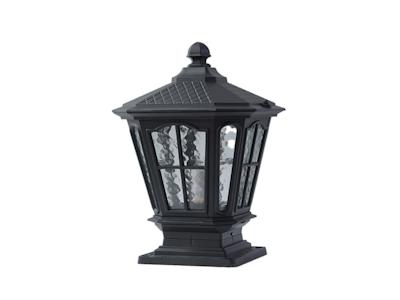
В мире, где технологии стремительно развиваются, даже такие, казалось бы, обыденные аспекты инфраструктуры, как освещение тоннелей, претерпевают кардинальные изменения. Тоннели — это не просто проходы под землей или через горы; они являются критически важными элементами транспортных сетей, обеспечивающими безопасность и эффективность перемещения. Однако традиционные системы освещения часто сталкиваются с проблемами: высокое энергопотребление, частые поломки, недостаточная яркость и негативное воздействие на окружающую среду. Но сегодня мы стоим на пороге революции, которая promises полностью изменить ландшафт тоннельного освещения, делая его brighter, smarter, и более sustainable.
Введение: почему тоннельное освещение так важно?
Тоннели представляют собой уникальные challenges для освещения. В отличие от открытых дорог, где естественный свет играет ключевую роль, в тоннелях illumination полностью зависит от искусственных источников. Это не только вопрос visibility для водителей, но и critical для предотвращения accidents, reducing driver fatigue, и обеспечения overall safety. Historically, системы освещения в тоннелях relied на традиционных technologies, таких как натриевые лампы высокого давления или металлогалогенные лампы. Хотя these technologies served their purpose, они often consumed massive amounts of energy, required frequent maintenance, и could create harsh, uneven light that strained eyes.
С развитием urbanization и увеличением traffic volumes, demands на тоннельное освещение only grew. Cities around the world started recognizing that outdated systems were not only costly но и potentially dangerous. This realization sparked a global movement towards innovation, leading to the adoption of LED technology and smart lighting solutions. The revolution is not just about swapping old bulbs for new ones; it's about rethinking entire systems to create environments that are safer, more efficient, and environmentally friendly.
Эволюция тоннельного освещения: от прошлого к настоящему
Чтобы fully appreciate the current revolution, it's essential to look back at how tunnel lighting has evolved. In the early days, tunnels were lit with simple oil lamps or gas lights, which provided minimal illumination and posed significant fire risks. The advent of electricity in the late 19th century brought incandescent bulbs, offering better light but still limited in efficiency and lifespan.
By the mid-20th century, high-intensity discharge (HID) lamps became the standard. These included sodium vapor lamps, known for their yellow-orange glow, and metal halide lamps, which offered whiter light. While an improvement, HID lamps had drawbacks: they took time to reach full brightness, consumed substantial energy, and their light quality could cause visual discomfort, especially in long tunnels where drivers transition from bright daylight to artificial light.
The turn of the 21st century marked a shift with the introduction of Light Emitting Diodes (LEDs). Initially used in electronics and signage, LEDs quickly proved their worth in general lighting due to their energy efficiency, long lifespan, and versatility. In tunnel lighting, LEDs offered a game-changing alternative: instant-on capability, reduced energy consumption by up to 50-70%, and better color rendering that mimics natural light, reducing eye strain and improving safety.
Today, the evolution continues with smart lighting systems that integrate sensors, connectivity, and automation. These systems can adjust brightness based on real-time conditions, such as traffic flow, weather, or time of day, further optimizing energy use and enhancing safety. The journey from rudimentary oil lamps to intelligent LED networks illustrates a relentless pursuit of improvement, driven by technological advancements and growing environmental awareness.
Ключевые технологии, двигающие революцию
At the heart of the tunnel lighting revolution are several key technologies that have transformed what's possible. LED technology is the cornerstone, but it's supported by innovations in controls, materials, and design.
LED Освещение: Light Emitting Diodes work by passing current through a semiconductor, emitting light efficiently without the heat waste of traditional bulbs. In tunnels, LEDs provide uniform illumination with high Color Rendering Index (CRI), meaning colors appear more natural, which is crucial for drivers to accurately perceive obstacles and signs. Their long lifespan—often exceeding 50,000 hours—reduces maintenance costs and disruptions.
Умные системы управления: Modern tunnel lighting isn't just about the light source; it's about how it's controlled. Smart systems use sensors to monitor factors like ambient light, vehicle speed, and traffic density. For example, on a sunny day, the system might dim lights near tunnel entrances to ease the transition for drivers, saving energy. In low-traffic periods, lights can be reduced further, while during emergencies, they can be brightened to maximum for safety.
Датчики и IoT: The Internet of Things (IoT) enables connectivity between lighting fixtures, allowing for centralized management and data analysis. Sensors can detect faults in real-time, alerting maintenance teams before issues escalate. This predictive maintenance minimizes downtime and ensures consistent illumination.
Энергоэффективные дизайны: Innovations in optical design, such as reflectors and lenses, maximize light output while minimizing energy use. Additionally, adaptive lighting schemes that vary intensity along the tunnel length help reduce the "black hole" effect at entrances and exits, where sudden changes in light can disorient drivers.
Together, these technologies create a holistic approach that goes beyond mere replacement, offering a smarter, responsive, and sustainable solution for tunnel lighting.
Преимущества новой эры освещения
The adoption of advanced tunnel lighting systems brings a multitude of benefits that impact safety, economy, and the environment.
Улучшенная безопасность: Better lighting means drivers can see more clearly, reducing the risk of accidents. Studies show that well-lit tunnels have lower incident rates, as improved visibility helps with detecting obstacles, reading signs, and maintaining lane discipline. The uniform light distribution of LEDs eliminates dark spots and glare, creating a comfortable driving experience even in long tunnels.
Энергоэффективность и экономия затрат: LEDs consume significantly less energy than traditional lamps. For instance, a typical HID lamp might use 400 watts, while an equivalent LED uses only 150 watts. This reduction translates to lower electricity bills and decreased operational costs. Over time, the savings can offset the initial investment in new technology. Smart controls add another layer of efficiency by optimizing usage based on real needs.
Экологическая устойчивость: Lower energy consumption means reduced carbon emissions, contributing to climate goals. LEDs also contain no hazardous materials like mercury, which is present in some HID lamps, making disposal safer and more environmentally friendly. The long lifespan further reduces waste from frequent replacements.
Снижение maintenance: With LEDs lasting years instead of months, maintenance intervals are extended. This means fewer lane closures for bulb changes, reducing traffic disruptions and associated costs. Smart systems enable remote monitoring, allowing issues to be addressed proactively.
Enhanced User Experience: Drivers benefit from a more pleasant journey with light that reduces eye strain and fatigue. This is particularly important in long tunnels, where monotony can set in. Better lighting can also improve the aesthetic appeal of tunnels, making them feel less confined and more modern.
These advantages make a compelling case for upgrading tunnel lighting, not just as a technical upgrade but as a strategic investment in public infrastructure.
Реальные примеры и case studies
Around the world, numerous projects demonstrate the success of modern tunnel lighting. Let's explore a few notable examples.
Тоннель Лаэрдаль, Норвегия: As one of the world's longest road tunnels (24.5 km), lighting is critical for safety. The tunnel uses a sophisticated LED system with adaptive controls that adjust brightness based on external light conditions. This has reduced energy use by over 50% compared to previous systems, while improving driver comfort. The lighting design includes gradual transitions at entrances and exits to minimize the contrast effect.
Тоннель под Ла-Маншем, Европа: This iconic tunnel connecting the UK and France employs LED lighting with smart sensors to monitor traffic and environmental factors. The system has enhanced safety by providing consistent illumination and allowing quick responses to incidents. Energy savings have been substantial, supporting the tunnel's sustainability goals.
Тоннели в Японии: Japan, with its extensive tunnel network, has been a pioneer in adopting LED technology. For example, the Tokyo Bay Aqua-Line tunnel uses LEDs with high CRI to ensure clear visibility underwater sections. The system integrates with earthquake early warning systems, automatically brightening lights during seismic events to aid evacuation.
Проекты в России: In Russia, upgrades to tunnels on major highways like the M4 Don have incorporated LED lighting. These projects have reported reductions in energy consumption by up to 60% and improved safety metrics. The use of domestic LED products supports local industry while achieving international standards.
These case studies highlight that the revolution is not theoretical; it's delivering tangible benefits across diverse environments, from alpine tunnels to urban thoroughfares.
Вызовы и considerations при внедрении
Despite the clear benefits, implementing new tunnel lighting systems comes with challenges that must be addressed.
Высокие initial costs: Upgrading to LED and smart systems requires significant upfront investment. While long-term savings justify the expense, securing funding can be difficult, especially for public projects with tight budgets. Governments and private operators need to consider lifecycle cost analyses to make informed decisions.
Техническая интеграция: Retrofitting existing tunnels with new technology must be done without disrupting traffic. This often requires careful planning and phased implementation. Compatibility with older infrastructure can also be an issue, necessitating custom solutions.
Regulatory and Standards Compliance: Lighting in tunnels must meet specific standards for intensity, uniformity, and color rendering. Different countries have varying regulations, so projects must ensure compliance to avoid legal issues and ensure safety. For instance, the CIE (International Commission on Illumination) provides guidelines that many adhere to.
Обучение и adaptation: Maintenance teams need training to handle new systems, which may involve software management and diagnostics. Resistance to change from stakeholders can slow adoption, emphasizing the need for education and demonstration of benefits.
Environmental Factors: In some regions, extreme weather or geological conditions can affect lighting performance. Systems must be designed to withstand factors like humidity, temperature variations, and vibrations from traffic.
Addressing these challenges requires collaboration between engineers, policymakers, and communities. Pilot projects and gradual rollouts can help mitigate risks and build confidence in the technology.
Будущее тоннельного освещения: что нас ждет?
The revolution in tunnel lighting is far from over; future developments promise even greater advancements.
Integration with Autonomous Vehicles: As self-driving cars become more common, lighting systems will need to communicate with vehicles to enhance safety. For example, lights could signal changes in road conditions or guide autonomous systems through complex tunnel environments.
Advanced Materials: Research into new materials, such as organic LEDs (OLEDs) or perovskite-based lights, could lead to even more efficient and flexible lighting solutions. These might allow for innovative designs, like curved or embedded lights that blend seamlessly into tunnel architecture.
Energy Harvesting: Future systems might incorporate solar panels or kinetic energy harvesters from traffic vibrations to power lights, making tunnels self-sufficient and further reducing their carbon footprint.
AI and Machine Learning: Artificial intelligence could optimize lighting in real-time based on predictive analytics, learning from traffic patterns to anticipate needs and prevent issues before they arise.
Enhanced Human-Centric Lighting: Lighting that mimics natural daylight cycles could improve driver alertness and well-being, especially in very long tunnels. This approach considers biological rhythms to reduce fatigue.
The future is bright, with technology continuing to push boundaries. The goal is not just to illuminate tunnels but to create intelligent, adaptive environments that prioritize safety, efficiency, and sustainability.
Заключение: embracing the light
The revolution in tunnel lighting represents a significant leap forward in how we think about infrastructure. By moving away from outdated, inefficient systems towards smart, LED-based solutions, we can create tunnels that are safer, cheaper to operate, and kinder to the planet. This transformation is already underway globally, with proven results in reduced energy consumption, enhanced safety, and improved user experiences.
As technology evolves, the possibilities will only expand, integrating with broader trends like smart cities and autonomous transportation. For policymakers, engineers, and the public, it's time to embrace this change and invest in lighting that not banishes darkness but illuminates a path to a brighter future. Forget the dark ages of tunnel lighting—the revolution is here, and it's shining light on new possibilities.
Предыдущая статья:
Как выбрать солнечные светильники для сада
Следующий пост:
Почему светодиодное освещение для колонн так популярно