

Ваше местоположение:
Главная страница>
Информационный центр>
Освещайте ночь без страха перед дождем Солнечные светильники для улицы
Освещайте ночь без страха перед дождем Солнечные светильники для улицы
Время публикации:2025-12-13
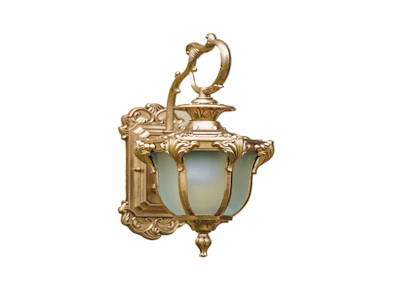
Вы когда-нибудь задумывались, как сделать вашу ночь ярче и безопаснее, не беспокоясь о капризах погоды? Солнечные светильники для улицы предлагают инновационное решение, которое сочетает в себе экологичность, экономичность и надежность. В этой статье мы ответим на все ваши вопросы об этих удивительных устройствах, от их работы до преимуществ в повседневной жизни.
Что такое солнечные светильники и как они работают?
Солнечные светильники — это автономные осветительные приборы, которые используют солнечную энергию для питания. Они оснащены фотогальваническими панелями, которые поглощают солнечный свет в течение дня, преобразуя его в электрическую энергию. Эта энергия хранится в встроенных аккумуляторах, а вечером автоматически активирует светодиодные (LED) лампы, обеспечивая мягкое и эффективное освещение. Но как именно это происходит? Процесс начинается с утра, когда солнечные панели улавливают UV-лучи, даже в пасмурную погоду. Энергия накапливается в литий-ионных или никель-металлгидридных аккумуляторах, которые designed для многократных циклов заряда-разряда. С наступлением темноты датчик освещенности автоматически включает свет, который может работать от 8 до 12 часов в зависимости от модели и условий заряда. Это делает их идеальными для уличного использования, где подключение к электрической сети может быть затруднено или дорого.
Почему солнечные светильники так популярны в современном мире?
В эпоху растущих экологических проблем и высоких затрат на энергию, солнечные светильники становятся все более востребованными. Они не только reduce carbon footprint, но и offer significant savings on electricity bills. Imagine: no more worries about power outages or increasing tariffs. Additionally, their ease of installation — often requiring no wiring — makes them accessible to everyone, from homeowners to municipal authorities. But is their popularity justified? Absolutely! Studies show that solar lighting can reduce energy consumption by up to 80% compared to traditional systems. Moreover, governments worldwide are incentivizing their adoption through subsidies and tax breaks, further driving their appeal. Whether for pathways, gardens, or public spaces, these lights provide a sustainable and cost-effective solution that aligns with global trends towards green living.
Как солнечные светильники справляются с дождем и другими погодными условиями?
Одним из главных преимуществ солнечных светильников является их устойчивость к непогоде. Многие модели designed with IP65 or higher ratings, meaning they are dust-tight and protected against water jets from any direction. This makes them perfect for rainy nights, as they can withstand heavy downpours without malfunctioning. The components, such as solar panels and batteries, are often encapsulated in waterproof casings made from materials like ABS plastic or aluminum, ensuring longevity even in harsh climates. But what about extreme temperatures? Modern solar lights are tested to operate in a wide range, from -20°C to 50°C, so whether you live in a cold northern region or a hot tropical area, they will perform reliably. Furthermore, their automatic operation means you don't have to manually adjust them during storms — they simply do their job, rain or shine.
Какие типы солнечных светильников доступны на рынке?
Рынок солнечных светильников разнообразен, offering options for every need and budget. Common types include stake lights, which are easy to insert into the ground for garden paths; wall-mounted lights for facades and entrances; and hanging lights for decorative purposes like pergolas or trees. There are also motion-sensor models that activate only when movement is detected, saving energy and enhancing security. For larger areas, solar-powered street lights with higher luminosity are available, often used in public infrastructure. When choosing, consider factors such as brightness (measured in lumens), battery capacity, and design. Premium models may feature additional functionalities like color-changing LEDs or smartphone connectivity. It's essential to read reviews and compare specifications to find the best fit for your specific application, whether it's for aesthetic enhancement or practical illumination.
Экономичны ли солнечные светильники в долгосрочной перспективе?
Хотя первоначальная стоимость солнечных светильников может быть higher than traditional lights, their long-term economics are compelling. Since they harness free solar energy, there are no ongoing electricity costs, leading to substantial savings over time. For example, a typical solar light might cost $20-$50 upfront, but it can save you $10-$30 per year on energy bills, paying for itself within a few years. Additionally, their durability means fewer replacements; high-quality models can last 5-10 years or more with minimal maintenance. Compare this to incandescent bulbs that need frequent changing and consume more power. Moreover, by reducing reliance on grid electricity, you contribute to lower overall energy demand, which can have positive macroeconomic effects. So, while the investment might seem steep initially, the return on investment is clear, making them a smart choice for budget-conscious and environmentally aware consumers.
Как установить и обслуживать солнечные светильники?
Установка солнечных светильников remarkably straightforward, often requiring no tools or professional help. Most models come with stakes or mounting brackets that can be easily placed in desired locations. The key is to position the solar panel in a spot that receives maximum sunlight during the day, ideally facing south in the Northern Hemisphere. Avoid shading from trees or buildings to ensure efficient charging. Maintenance is minimal: periodically clean the solar panel with a damp cloth to remove dust and debris, which can impair performance. Also, check the batteries every 1-2 years, as they may need replacement depending on usage. Unlike wired lights, there's no risk of electric shock or complex wiring issues, making them safe for DIY enthusiasts. For optimal performance, consider seasonal adjustments, such as angling the panel more directly towards the sun in winter months.
Каковы экологические benefits использования солнечных светильников?
Использование солнечных светильников significantly reduces environmental impact. By utilizing renewable solar energy, they decrease greenhouse gas emissions associated with fossil fuel-based electricity generation. For instance, a single solar light can offset approximately 10-20 kg of CO2 emissions annually. They also minimize light pollution through directed LED lighting, which is less disruptive to wildlife compared to broad-spectrum traditional lights. Furthermore, since they don't require grid infrastructure, they reduce the need for resource-intensive power plants and transmission lines. In terms of waste, solar lights often use recyclable materials and have longer lifespans, reducing electronic waste. Adopting them contributes to sustainable development goals and helps combat climate change, making them a responsible choice for individuals and communities alike.
Какие инновации ожидаются в области солнечных светильников?
Будущее солнечных светильников bright with ongoing innovations. Researchers are working on improving battery technology, such as solid-state batteries, which offer higher energy density and longer life spans. Solar panels are becoming more efficient, with perovskite cells promising better performance even in low-light conditions. Smart features are also evolving; imagine lights that integrate with home automation systems, allowing control via apps or voice assistants. There's a push towards more aesthetic designs, with customizable shapes and colors to blend seamlessly into any environment. Additionally, advancements in materials science could lead to lighter, more durable products. As costs continue to drop and efficiency rises, solar lighting will likely become the norm rather than the exception, transforming how we illuminate our outdoor spaces in an eco-friendly way.
Как выбрать лучший солнечный светильник для ваших нужд?
Выбор идеального солнечного светильника depends on your specific requirements. Start by assessing the area you want to illuminate: for pathways, opt for stake lights with moderate brightness (50-100 lumens); for security, motion-sensor models with higher lumens (200-500) are better. Consider the climate: if you live in a rainy area, ensure the light has a high IP rating. Look for reputable brands that offer warranties, as this indicates quality. Read customer reviews to gauge real-world performance, especially regarding battery life and durability. Budget is also a factor; while cheaper options exist, investing in a mid-range model often pays off in longevity. Don't forget aesthetics — choose a design that complements your outdoor decor. By taking these factors into account, you can find a solar light that meets both functional and stylistic needs, ensuring years of reliable service.
Заключение: Почему стоит перейти на солнечные светильники?
В заключение, солнечные светильники представляют собой revolutionary solution for outdoor lighting, offering numerous benefits from cost savings to environmental protection. Они позволяют наслаждаться ночью без страха перед дождем, благодаря своей надежности и устойчивости. Whether you're looking to enhance your garden, improve security, or simply reduce your carbon footprint, these lights provide a practical and forward-thinking option. As technology advances, they will only become more efficient and accessible. So, why wait? Embrace the power of the sun and transform your nights into a beautifully illuminated experience. Сделайте шаг towards a brighter, greener future today!
Эта статья aimed to answer all your questions about solar street lights. If you have more queries, feel free to explore further or consult with experts. Remember, investing in solar lighting is not just about illumination—it's about investing in sustainability and peace of mind.
Предыдущая статья:
LED светильники для пешеходных дорожек революция в городском освещении
Следующий пост:
LED настенные светильники преобразите интерьер с умным освещением