

Ваше местоположение:
Главная страница>
Информационный центр>
Водонепроницаемые прожекторы надежность в любую погоду
Водонепроницаемые прожекторы надежность в любую погоду
Время публикации:2025-12-11
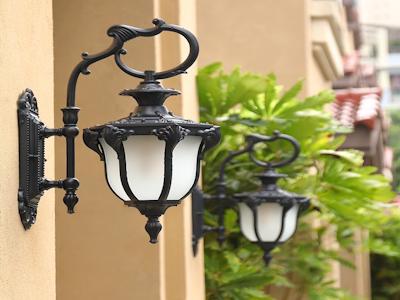
В современном мире наружное освещение играет ключевую роль в обеспечении безопасности, комфорта и эстетики различных пространств. От городских улиц и промышленных зон до частных домов и общественных мест – качественное освещение необходимо для нормального функционирования общества. Однако, природа не всегда благосклонна: дождь, снег, ветер и другие погодные условия могут серьезно повлиять на работу осветительных приборов. Именно здесь на первый план выходят водонепроницаемые прожекторы – инновационные устройства, спроектированные для работы в самых экстремальных условиях. Эта статья посвящена всестороннему анализу водонепроницаемых прожекторов, их преимуществ, технологий, применения и будущего развития, подчеркивая их незаменимость для надежного освещения в любую погоду.
Введение в тему водонепроницаемых прожекторов
Освещение наружных пространств всегда было вызовом для инженеров и дизайнеров. Традиционные светильники часто выходили из строя под воздействием влаги, что приводило к коротким замыканиям, коррозии и необходимости частого обслуживания. С развитием технологий, особенно с advent светодиодных (LED) источников света, появилась возможность создавать более эффективные и долговечные решения. Водонепроницаемые прожекторы стали ответом на эти вызовы, сочетая в себе высокую энергоэффективность, прочность и способность противостоять воде и другим элементам.
Определение водонепроницаемого прожектора просто: это осветительный прибор, специально разработанный для работы в условиях повышенной влажности или прямого контакта с водой. Ключевым параметром здесь является степень защиты IP (Ingress Protection), которая классифицирует уровень защиты от проникновения твердых тел и жидкостей. Для наружного использования typically требуются прожекторы с IP65 или выше, что означает полную защиту от пыли и струй воды. Например, IP67 гарантирует работу при временном погружении в воду, что делает такие устройства идеальными для дождливых регионов или прибрежных зон.
Актуальность темы невозможно переоценить. С ростом урбанизации и изменением климата, экстремальные погодные явления становятся более частыми. Наводнения, сильные ливни и снегопады – все это требует инфраструктуры, способной выдержать такие испытания. Водонепроницаемые прожекторы не только обеспечивают непрерывное освещение, но и снижают затраты на обслуживание и повышают общую безопасность. Кроме того, с переходом на энергоэффективные технологии, такие как LED, эти прожекторы contribute к уменьшению углеродного следа, что aligns с глобальными тенденциями устойчивого развития.
В этой статье мы рассмотрим различные аспекты водонепроницаемых прожекторов. Начнем с их преимуществ по сравнению с обычными аналогами, затем углубимся в технологические особенности, включая материалы и конструкции. Далее, обсудим широкий спектр применений – от промышленности и коммерции до бытового использования. Не менее важны критерии выбора и установки, которые помогут потребителям сделать informed decisions. Наконец, заглянем в будущее, exploring emerging trends и инновации в этой области. Цель – предоставить comprehensive guide, который highlights why водонепроницаемые прожекторы are essential for reliable lighting in any weather.
Преимущества водонепроницаемых прожекторов
Использование водонепроницаемых прожекторов offers множество benefits, которые make them superior to traditional lighting solutions. Эти преимущества can be categorized into reliability, safety, economic, and environmental aspects.
First and foremost, reliability is the cornerstone of waterproof projectors. Unlike standard lights, which may fail during rain or snow, waterproof models are designed to operate seamlessly in adverse conditions. This reliability stems from their robust construction and high IP ratings. For instance, a projector with IP68 rating can withstand prolonged immersion in water, ensuring that lighting remains consistent even during floods. This is crucial for critical applications such as emergency services, airports, or hospitals, where uninterrupted lighting can save lives. Moreover, the use of durable materials like aluminum alloys and tempered glass reduces the risk of damage from physical impacts or corrosion, extending the lifespan of the device.
Safety is another significant advantage. Water and electricity are a dangerous combination, and faulty lighting can lead to electrocution or fires. Waterproof projectors mitigate these risks by incorporating sealed enclosures and insulated components. They often comply with international safety standards such as IEC 60529 for IP ratings and UL listings, providing peace of mind for users. In residential settings, this means safer gardens and pathways; in industrial environments, it reduces accidents and liability issues. Additionally, many waterproof projectors feature anti-glare designs and precise beam control, enhancing visibility without causing discomfort or light pollution.
From an economic perspective, waterproof projectors offer long-term savings. Although the initial investment may be higher than for non-waterproof options, their durability and low maintenance requirements lead to reduced replacement and repair costs over time. LED-based waterproof projectors, in particular, are highly energy-efficient, consuming up to 80% less electricity than incandescent or halogen bulbs. This translates to lower utility bills and a quicker return on investment. Furthermore, their long lifespan – often exceeding 50,000 hours – means fewer purchases and less waste, contributing to cost efficiency.
Environmentally, waterproof LED projectors are a green choice. They produce less heat and contain no hazardous materials like mercury, which is common in some older lighting technologies. By reducing energy consumption, they help decrease greenhouse gas emissions from power plants. Moreover, their longevity means fewer resources are needed for manufacturing and disposal, aligning with circular economy principles. As societies push towards sustainability, adopting such efficient lighting solutions becomes not just a preference but a necessity.
In summary, the advantages of waterproof projectors are clear: they provide unmatched reliability, enhance safety, offer economic benefits through savings, and support environmental goals. These qualities make them an ideal choice for anyone seeking dependable lighting in variable weather conditions.
Технологические особенности и конструкции
The effectiveness of waterproof projectors lies in their advanced technological features and thoughtful design. Understanding these aspects helps appreciate why they perform so well in challenging environments.
At the heart of modern waterproof projectors is LED technology. LEDs are solid-state devices that generate light through electroluminescence, making them inherently resistant to shock and vibration. Unlike traditional bulbs, LEDs do not have filaments that can break, and they operate at lower temperatures, reducing the risk of thermal damage. For waterproofing, LEDs are often mounted on printed circuit boards (PCBs) that are coated with conformal coatings to protect against moisture and corrosion. The drivers and power supplies are also sealed to prevent water ingress, ensuring stable performance.
The enclosure design is critical for waterproofing. Most projectors use housings made from materials like die-cast aluminum, which offers excellent heat dissipation and corrosion resistance. Seals and gaskets, typically made from silicone or rubber, are used at joints and openings to create a watertight barrier. Lenses are usually made from polycarbonate or tempered glass, which are both durable and resistant to impact. The IP rating system guides these designs; for example, IP65 projectors are dust-tight and protected against water jets, while IP67 and IP68 models can handle temporary or continuous immersion.
Heat management is another key feature. LEDs generate heat, and if not properly dissipated, it can reduce their lifespan. Waterproof projectors often incorporate heat sinks and thermal management systems to draw heat away from the LEDs. Some advanced models use passive cooling techniques or even active cooling with fans that are themselves waterproofed. This ensures that the projectors maintain optimal performance even in hot and humid conditions.
Optical design also plays a role. Waterproof projectors are engineered to provide focused beams with high luminous efficacy. Reflectors and lenses are designed to minimize light loss and direct light precisely where needed. This is particularly important for applications like security lighting or sports fields, where accurate illumination is essential. Many models offer adjustable beam angles and color temperatures, allowing for customization based on specific needs.
In terms of connectivity and control, modern waterproof projectors often include smart features. Wireless controls, motion sensors, and compatibility with home automation systems are becoming common. These features enhance convenience and energy savings by allowing users to adjust lighting remotely or automate it based on conditions. However, all electronic components are meticulously sealed to maintain waterproof integrity.
Overall, the technological sophistication of waterproof projectors makes them highly reliable. From material selection to electronic design, every aspect is optimized for durability and performance in wet conditions.
Сферы применения водонепроницаемых прожекторов
Waterproof projectors find applications across a wide range of sectors due to their versatility and reliability. Let's explore some of the key areas where they are indispensable.
In industrial settings, waterproof projectors are essential for lighting warehouses, manufacturing plants, and outdoor worksites. These environments often involve exposure to moisture, dust, and mechanical stresses. For example, in ports or shipping yards, projectors with high IP ratings ensure that loading and unloading operations can continue safely at night or in bad weather. Similarly, in the oil and gas industry, where explosive atmospheres may exist, waterproof and explosion-proof projectors are used to prevent accidents.
Commercial applications include retail spaces, hotels, and office buildings. Outdoor lighting for facades, signage, and parking lots requires projectors that can withstand rain and snow. Waterproof projectors enhance curb appeal and security, attracting customers and reducing vandalism. In sports and recreation, they are used for illuminating fields, courts, and pools. For instance, IP68 projectors are perfect for underwater lighting in swimming pools, providing both safety and aesthetic effects.
Residential use is growing rapidly. Homeowners use waterproof projectors for garden lighting, pathway illumination, and security lights. With the rise of smart homes, these projectors can be integrated into systems that control lighting based on motion or time of day, improving energy efficiency and convenience. They are also popular for holiday decorations, where weather resistance is crucial for outdoor displays.
Public infrastructure relies heavily on waterproof lighting. Streetlights, bridge illumination, and public parks use projectors to ensure safety and visibility. In emergency services, such as fire stations or hospitals, reliable outdoor lighting is critical for operations. Waterproof projectors are also used in transportation, for example, in tunnels or airports, where lighting must be fail-safe under all conditions.
Specialized applications include marine environments, where projectors must resist saltwater corrosion, and agricultural settings, for lighting greenhouses or farms. The adaptability of waterproof projectors means they can be customized with different beam angles, colors, and intensities to suit specific needs.
In all these areas, the common thread is the need for lighting that does not fail when exposed to water. Waterproof projectors meet this need, providing consistent performance and enhancing functionality across diverse sectors.
Критерии выбора и установки
Choosing the right waterproof projector involves considering several factors to ensure it meets your specific requirements. Proper installation is equally important to maximize performance and longevity.
First, determine the IP rating needed based on the environment. For areas with light rain, IP65 may suffice, but for locations prone to heavy rain or flooding, opt for IP67 or IP68. Also, consider the IK rating for impact resistance if the projector might be subject to physical blows.
Light output and efficiency are crucial. Look at lumens (brightness), wattage (energy consumption), and efficacy (lumens per watt). LED projectors typically offer high efficacy. Choose a color temperature (e.g., warm white for ambiance, cool white for security) and beam angle (narrow for spotlighting, wide for area lighting) that suit your application.
Durability factors include the materials used. Aluminum housings are common for their strength and heat dissipation. Check for certifications like UL or CE to ensure safety standards are met. If smart features are desired, verify compatibility with your existing systems.
For installation, always follow manufacturer guidelines. Ensure that all seals are intact and that mounting surfaces are stable. Use appropriate brackets and hardware designed for outdoor use. Electrical connections should be made by a qualified electrician to prevent issues like short circuits. Consider the direction of the projector to avoid glare and maximize coverage.
Maintenance is minimal but important. Periodically clean lenses and check seals for wear. Avoid using harsh chemicals that could damage the waterproofing. With proper selection and installation, waterproof projectors can provide years of reliable service.
Будущие тенденции и инновации
The future of waterproof projectors is bright, with ongoing innovations aimed at enhancing performance, efficiency, and functionality.
One trend is the integration of Internet of Things (IoT) technology. Smart projectors with sensors and connectivity will allow for real-time monitoring and adaptive lighting. For example, projectors could adjust brightness based on weather conditions or occupancy, saving energy and improving user experience.
Advances in materials science may lead to even more durable and lightweight designs. Graphene and other nanomaterials could improve heat dissipation and strength. Solar-powered waterproof projectors are also emerging, offering off-grid lighting solutions for remote areas.
Energy efficiency will continue to improve with higher-efficacy LEDs and better drivers. Human-centric lighting, which mimics natural light patterns, might become standard, promoting well-being in outdoor spaces.
Sustainability will drive recycling and circular design initiatives, reducing environmental impact. As technology evolves, waterproof projectors will become smarter, more efficient, and even more integral to our daily lives.
Заключение
Водонепроницаемые прожекторы represent a significant advancement in lighting technology, offering reliability, safety, and efficiency in any weather. Their robust design, broad applications, and future potential make them a wise investment for individuals and industries alike. By choosing and installing them correctly, we can ensure illuminated, safe, and sustainable environments for years to come.
Предыдущая статья:
Новейшая водонепроницаемая подсветка меняет правила игры в освещении
Следующий пост:
Эффективный способ осветить пространство с умными прожекторными лампами