

Ваше местоположение:
Главная страница>
Информационный центр>
Главные преимущества экономии энергии в современном освещении
Главные преимущества экономии энергии в современном освещении
Время публикации:2025-12-09
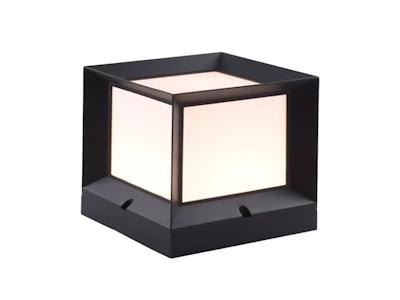
В современном мире, где устойчивое развитие и энергоэффективность становятся приоритетами, освещение играет ключевую роль в сокращении энергопотребления и минимизации экологического следа. Эта статья исследует основные преимущества экономии энергии через внедрение современных осветительных технологий, таких как LED, умные системы и инновационные подходы. Мы рассмотрим технологические аспекты, экономические выгоды, экологические последствия и практические рекомендации для домохозяйств, предприятий и государственных учреждений. Цель — предоставить комплексный обзор, который поможет читателям сделать осознанный выбор в пользу энергоэффективного освещения, способствуя глобальным усилиям по борьбе с изменением климата и оптимизации ресурсов.
1. Введение в энергоэффективное освещение
Освещение — неотъемлемая часть повседневной жизни, на которую приходится значительная доля мирового энергопотребления. По данным Международного энергетического агентства (МЭА), освещение составляет около 15% глобального электричества, используемого в зданиях. Традиционные технологии, такие как лампы накаливания и люминесцентные лампы, характеризуются низкой эффективностью и высоким энергопотреблением. Однако с развитием LED (светодиодных) технологий и интеллектуальных систем, современное освещение предлагает радикальные улучшения. Энергоэффективное освещение не только снижает затраты на электроэнергию, но и способствует экологической устойчивости, улучшает качество жизни и поддерживает инновационные решения для умных городов. В этой статье мы углубимся в преимущества, начиная с технологических основ и заканчивая социально-экономическими impactами.
2. Технологические инновации в современном освещении
Современное освещение базируется на передовых технологиях, которые значительно превосходят традиционные аналоги. LED-освещение, например, использует полупроводниковые устройства для преобразования электричества в свет с минимальными потерями энергии. Эффективность LED-ламп может достигать 80-90%, по сравнению с 5-10% у ламп накаливания, что означает сокращение энергопотребления на 50-80%. Кроме того, умное освещение интегрирует IoT (Интернет вещей) и датчики движения, позволяя автоматически регулировать яркость и время работы based on occupancy and natural light. Такие системы, как Philips Hue или системы на основе Zigbee, обеспечивают персонализированное управление через смартфоны, further enhancing energy savings. Innovations like OLED (organic LED) and Li-Fi (light fidelity) are emerging, promising even greater efficiency and functionality. These technologies not only save energy but also offer longer lifespans (up to 50,000 hours for LEDs vs. 1,000 hours for incandescent bulbs), reducing waste and maintenance costs. The integration with renewable energy sources, such as solar-powered lighting, further amplifies the benefits, making modern lighting a cornerstone of sustainable infrastructure.
3. Экономические выгоды от энергосберегающего освещения
Одним из наиболее ощутимых преимуществ современного освещения является экономия финансов. Замена традиционных ламп на LED-эквиваленты может снизить счета за электроэнергию на 30-80%. For instance, a typical household switching to LEDs can save hundreds of dollars annually, while businesses and industries see even greater returns due to scale. The initial investment in energy-efficient lighting is often offset by long-term savings; LEDs have a payback period of 1-3 years based on usage. Additionally, governments and utilities offer rebates and incentives to promote adoption, such as tax credits or discounted bulbs. Beyond direct energy costs, reduced maintenance expenses contribute to savings—LEDs require fewer replacements, lowering labor and material costs. In macroeconomic terms, widespread adoption can reduce peak electricity demand, deferring the need for new power plants and infrastructure investments. This not only benefits individual consumers but also stabilizes energy markets and promotes economic resilience. Case studies from cities like Copenhagen or Singapore demonstrate how smart lighting initiatives have led to substantial fiscal benefits, including job creation in green technology sectors.
4. Экологические преимущества и устойчивость
Энергоэффективное освещение играет crucial role in environmental conservation. By reducing electricity consumption, it directly decreases greenhouse gas emissions from power generation. For example, if all incandescent bulbs were replaced with LEDs globally, it could save over 1,400 million tons of CO2 emissions annually—equivalent to taking 300 million cars off the road. Modern lighting also minimizes waste: LEDs contain no hazardous materials like mercury found in fluorescents, and their long lifespan reduces the frequency of disposal. Furthermore, smart lighting systems optimize energy use by dimming or turning off lights when not needed, preventing unnecessary pollution. The alignment with circular economy principles is evident, as many LED products are designed for recyclability. Initiatives like the Paris Agreement and UN Sustainable Development Goals emphasize the importance of such technologies in combating climate change. By adopting energy-efficient lighting, societies can contribute to biodiversity preservation, reduced resource extraction, and a healthier planet for future generations. Research shows that cities with advanced lighting systems experience improved air quality and lower ecological footprints, underscoring the interconnectedness of energy savings and environmental health.
5. Социальные и качественные аспекты освещения
Beyond economics and environment, modern lighting enhances social well-being and quality of life. Energy-efficient LEDs provide better light quality, with options for adjustable color temperature and brightness, which can improve mood, productivity, and safety. In workplaces, proper lighting reduces eye strain and errors, boosting efficiency. In homes, it creates comfortable environments that support mental health. Smart lighting enables accessibility features, such as voice control for elderly or disabled individuals, fostering inclusion. Public lighting upgrades in urban areas enhance safety by reducing crime rates and accidents through well-lit streets. Moreover, the shift to energy-saving lighting raises awareness about sustainability, educating communities on responsible energy use. Programs in schools and communities often use lighting projects to teach about technology and ecology, inspiring future innovations. The psychological impact of living in well-lit, energy-conscious spaces cannot be overstated—it promotes a sense of responsibility and connection to global efforts. Examples from Nordic countries show how integrated lighting systems in public spaces improve social interaction and community cohesion, demonstrating that energy efficiency is not just about savings but about enhancing human experiences.
6. Практические стратегии для внедрения
To realize the benefits of energy-efficient lighting, practical strategies are essential. For households, starting with a simple audit of current lighting can identify opportunities for replacement—focus on high-usage areas like kitchens and living rooms. Choosing ENERGY STAR certified LEDs ensures quality and efficiency. For businesses, implementing lighting management systems with sensors and timers can optimize energy use based on occupancy patterns. Governments can play a role by setting standards, such as phasing out inefficient bulbs, and providing subsidies for upgrades. Collaboration with utilities can lead to programs like demand response, where lighting is adjusted during peak times to grid stability. Education and awareness campaigns are crucial to overcome barriers like upfront costs or misconceptions about light quality. Case studies from retrofitting projects in offices or municipal buildings highlight best practices, such as phased implementation and monitoring savings. Additionally, integrating lighting with other energy-saving measures, like insulation or renewable energy, maximizes overall impact. By adopting a holistic approach, stakeholders can ensure that the transition to modern lighting is smooth, cost-effective, and sustainable.
7. Будущие тенденции и инновации
The future of energy-efficient lighting is bright with ongoing innovations. Advances in nanotechnology may lead to even more efficient LEDs with higher lumens per watt. Li-Fi technology, which uses light for data transmission, could revolutionize connectivity while saving energy. The rise of human-centric lighting aims to mimic natural light patterns to support circadian rhythms, improving health outcomes. Smart cities will increasingly use adaptive lighting networks that respond in real-time to traffic, weather, and events, further reducing waste. Integration with artificial intelligence will enable predictive maintenance and optimization. Moreover, the push for net-zero buildings and carbon neutrality will drive adoption of lighting systems powered by renewables. Global initiatives, such as the Global Lighting Association's roadmap, forecast a continued decline in energy consumption from lighting despite increased usage. As costs decrease and technology improves, energy-efficient lighting will become ubiquitous, contributing to a sustainable and interconnected world. Research in materials science, such as perovskite LEDs, promises breakthroughs that could make lighting even more accessible and efficient.
8. Заключение
В заключение, экономия энергии через современное освещение предлагает multifaceted benefits that extend far beyond simple cost savings. Technological advancements like LED and smart systems provide unprecedented efficiency, while economic gains bolster household and national budgets. Environmental impacts include reduced emissions and waste, supporting global sustainability goals. Socially, improved lighting enhances quality of life, safety, and education. By adopting practical strategies and embracing future innovations, individuals, businesses, and governments can harness these advantages to create a brighter, more sustainable future. The transition to energy-efficient lighting is not just a choice but a necessity in the face of climate change and resource constraints. As we move forward, continued investment in research, policy support, and public awareness will ensure that these benefits are realized fully, paving the way for a world where lighting is both intelligent and eco-friendly.
Эта статья предоставляет comprehensive overview, but readers are encouraged to explore further through resources like the International Energy Agency or local energy efficiency programs to take actionable steps toward energy savings.
Предыдущая статья:
ЛУЧШИЕ ДОРОЖНЫЕ ПРОЖЕКТОРЫ РАСКРЫВАЕМ СЕКРЕТЫ
Следующий пост:
Освещение дорог светодиодными прожекторами экономия и безопасность