

Ваше местоположение:
Главная страница>
Информационный центр>
Умные солнечные фонари: экономия энергии и комфорт 24/7
Умные солнечные фонари: экономия энергии и комфорт 24/7
Время публикации:2025-11-29
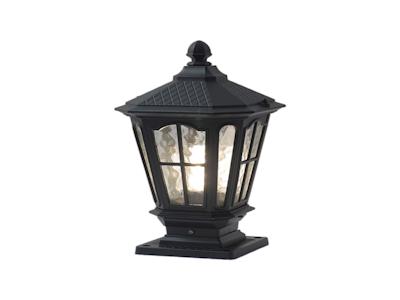
В современном мире, где экология и энергоэффективность становятся все более важными, умные солнечные фонари представляют собой революционное решение. Эти устройства не только обеспечивают освещение, но и делают это с минимальным воздействием на окружающую среду, предлагая беспрецедентный комфорт и экономию. В этой статье мы подробно рассмотрим, как работают умные солнечные фонари, их преимущества, технологии, стоящие за ними, и почему они становятся неотъемлемой частью нашей повседневной жизни.
Что такое умные солнечные фонари?
Умные солнечные фонари — это осветительные приборы, которые используют солнечную энергию для питания. Они оснащены солнечными панелями, которые преобразуют солнечный свет в электричество, накапливая его в аккумуляторах. Вечером или ночью, когда естественное освещение отсутствует, фонари автоматически включаются, обеспечивая яркий и энергоэффективный свет. Кроме того, многие модели обладают «умными» функциями, такими как датчики движения, дистанционное управление через приложения, и интеграция с системами умного дома.
История солнечных фонарей началась несколько десятилетий назад, но только в последние годы технологии позволили сделать их достаточно эффективными и доступными. Ранние версии были простыми и имели ограниченную автономность, но современные умные солнечные фонари могут работать до 12 часов без подзарядки, даже в условиях облачной погоды. Это стало возможным благодаря advancements в солнечных панелях, аккумуляторах и светодиодных лампах.
Основные компоненты умных солнечных фонарей включают: солнечную панель, аккумулятор, светодиодную лампу, контроллер заряда и дополнительные датчики. Солнечная панель собирает энергию солнца, аккумулятор хранит ее, а светодиодная лампа обеспечивает освещение с низким энергопотреблением. Контроллер заряда оптимизирует процесс зарядки и разрядки, продлевая срок службы устройства. Датчики, такие как датчики движения или освещенности, добавляют интеллектуальности, позволяя фонарям адаптироваться к окружающим условиям.
Преимущества умных солнечных фонарей
Одним из главных преимуществ умных солнечных фонарей является их способность к экономии энергии. По сравнению с традиционными уличными фонарями, которые питаются от электросети, солнечные фонари не требуют подключения к сети, что значительно снижает расходы на электроэнергию. Это особенно важно в условиях растущих тарифов на электричество и глобального энергетического кризиса. Например, городские власти, устанавливая умные солнечные фонари, могут сэкономить до 80% затрат на освещение улиц.
Кроме того, умные солнечные фонари экологичны. Они не производят выбросов CO2 и не способствуют изменению климата, в отличие от fossil fuel-based источников энергии. Это делает их идеальным выбором для устойчивого развития и green initiatives. Многие страны, такие как Германия и Китай, активно внедряют солнечное освещение в рамках своих экологических программ.
Комфорт — еще одно ключевое преимущество. Умные солнечные фонари обеспечивают освещение 24/7, автоматически включаясь и выключаясь в зависимости от уровня освещенности. Функции, такие как датчики движения, повышают безопасность, освещая areas only when needed, что reduces light pollution and saves energy. Integration with smart home systems allows users to control lighting remotely, customize schedules, and monitor energy usage through mobile apps.
Долговечность и низкие эксплуатационные расходы также standout. Светодиодные лампы имеют срок службы до 50,000 hours, compared to incandescent bulbs that last only about 1,000 hours. Solar panels and batteries are designed to withstand harsh weather conditions, reducing the need for frequent replacements. This makes smart solar lights a cost-effective investment in the long run.
Технологии, лежащие в основе умных солнечных фонарей
Современные умные солнечные фонари rely on advanced technologies to achieve high efficiency and reliability. Solar panels are typically made from monocrystalline or polycrystalline silicon, with efficiencies ranging from 15% to 22%. Monocrystalline panels are more efficient but expensive, while polycrystalline are cheaper but slightly less efficient. Innovations like PERC (Passivated Emitter and Rear Cell) technology have further improved panel efficiency.
Batteries are another critical component. Lithium-ion batteries are commonly used due to their high energy density, long cycle life, and lightweight nature. They can store enough energy to power the lights through the night, even after a cloudy day. Some models use lead-acid batteries, which are cheaper but heavier and less efficient.
LED technology has revolutionized lighting. LEDs consume up to 80% less energy than incandescent bulbs and last much longer. Smart solar lights often incorporate high-lumen LEDs that provide bright, white light similar to daylight, enhancing visibility and safety. Additionally, features like color temperature adjustment and dimming capabilities allow for customized lighting experiences.
Smart features are enabled by microcontrollers and sensors. Motion sensors detect movement and trigger the lights to turn on, saving energy when no one is around. Light sensors measure ambient light levels to automate on/off cycles. Wireless connectivity, such as Wi-Fi or Bluetooth, enables remote control and integration with IoT platforms. For example, users can set schedules, receive notifications, and monitor energy consumption via smartphone apps.
Energy management systems optimize performance. MPPT (Maximum Power Point Tracking) controllers maximize the energy harvested from solar panels by adjusting voltage and current. Battery management systems protect against overcharging and deep discharge, extending battery life. These technologies ensure that smart solar lights operate efficiently and reliably in various conditions.
Применение умных солнечных фонарей
Умные солнечные фонари находят применение в diverse settings. In residential areas, they are used for garden lighting, pathway illumination, and security lights. Homeowners appreciate the ease of installation—no wiring required—and the ability to enhance curb appeal while saving money. For instance, solar-powered motion-sensor lights can deter intruders and provide safe navigation around the property at night.
In urban environments, smart solar street lights are becoming popular. Cities like Los Angeles and Tokyo have implemented solar lighting to reduce energy costs and carbon footprints. These lights often include features like adaptive lighting, which dims when no traffic is detected, further conserving energy. They contribute to smarter, more sustainable urban infrastructure.
Commercial and industrial applications include parking lot lighting, warehouse illumination, and construction site lighting. Solar lights are ideal for remote or off-grid locations where access to electricity is limited. For example, in agricultural settings, they can provide lighting for farms without the need for extensive electrical infrastructure.
Public spaces such as parks, trails, and campuses benefit from solar lighting. It enhances safety for pedestrians and reduces reliance on grid power. Emergency and disaster relief efforts also utilize portable solar lights for temporary lighting in affected areas.
The versatility of smart solar lights makes them suitable for both indoor and outdoor use. Indoor models can be used in sheds, garages, or as emergency lights during power outages. Their portability and self-sufficiency make them a reliable source of light in any situation.
Экономия энергии и финансовые выгоды
Экономия энергии is a primary driver for adopting smart solar lights. By harnessing free solar energy, these lights eliminate electricity costs associated with traditional lighting. A typical solar street light can save up to 200 kWh per year compared to a conventional light, translating to significant financial savings over time. For a city with thousands of street lights, the cumulative savings can be substantial.
Initial investment in smart solar lights is higher than for traditional lights, but the payback period is short due to zero operational costs. Maintenance is minimal, as there are no bulbs to replace frequently and no wiring to maintain. Government incentives and subsidies for renewable energy projects can further reduce costs, making solar lighting an attractive option.
Case studies show impressive results. In India, the city of Jaipur replaced 10,000 street lights with solar variants, saving approximately $1 million annually in electricity bills. Similarly, in Africa, solar lights have brought lighting to remote villages, improving quality of life and reducing dependence on expensive and polluting kerosene lamps.
For homeowners, the financial benefits include lower utility bills and increased property value. Solar lights can be part of a broader home energy efficiency plan, contributing to overall energy independence. With rising energy prices, the return on investment for solar lighting continues to improve.
Комфорт и удобство использования
Комфорт provided by smart solar lights stems from their automation and adaptability. They turn on automatically at dusk and off at dawn, requiring no manual intervention. Motion sensors ensure that light is provided only when needed, reducing unnecessary illumination and enhancing security. This intelligent operation makes daily life more convenient and stress-free.
Integration with smart home systems allows for seamless control. Users can adjust brightness, set timers, and receive alerts through apps or voice assistants like Amazon Alexa or Google Assistant. This level of customization ensures that lighting meets individual preferences and needs.
In terms of installation, smart solar lights are easy to set up. Most models are standalone and require only a sunny spot for the solar panel. No electrical expertise is needed, making them accessible to everyone. This ease of use encourages widespread adoption.
The reliability of 24/7 operation means that users never have to worry about power outages affecting their lighting. Batteries are designed to hold charge for multiple days, ensuring continuous operation even during extended periods of bad weather. This reliability contributes to peace of mind and overall comfort.
Экологические аспекты
Экологичность is a cornerstone of smart solar lights. By using renewable energy, they reduce greenhouse gas emissions and decrease reliance on fossil fuels. A single solar street light can prevent the emission of over 100 kg of CO2 per year compared to a grid-powered light. This makes them a powerful tool in the fight against climate change.
Additionally, solar lights help reduce light pollution. Smart features like directed lighting and motion sensors ensure that light is only emitted where and when necessary, minimizing skyglow and preserving natural night environments. This is beneficial for wildlife and human health.
The materials used in solar lights are increasingly recyclable. Many manufacturers are adopting sustainable practices, such as using recycled plastics and metals, and designing products for easy disassembly at end-of-life. This circular economy approach further enhances their environmental credentials.
By promoting energy independence, solar lights reduce the strain on electrical grids, especially during peak demand periods. This can help prevent blackouts and improve overall grid stability. In regions with unreliable electricity supply, solar lights provide a dependable alternative.
Будущее умных солнечных фонарей
Будущее умных солнечных фонарей looks promising with ongoing technological advancements. Researchers are developing more efficient solar panels, such as perovskite cells, which could achieve efficiencies above 30%. Improvements in battery technology, like solid-state batteries, will offer higher energy density and longer lifespans.
Integration with AI and IoT will make solar lights even smarter. Predictive maintenance algorithms can alert users to potential issues before they occur. Enhanced connectivity will enable city-wide networks of solar lights that communicate with each other to optimize energy usage and lighting patterns.
The cost of solar technology continues to decrease, making it more accessible. By 2030, it's estimated that solar lighting could dominate the outdoor lighting market, driven by sustainability goals and economic benefits. Governments worldwide are setting targets for renewable energy adoption, which will accelerate deployment.
Innovations in design will lead to more aesthetically pleasing and versatile products. Solar lights could be integrated into buildings, vehicles, and even clothing, expanding their applications. The potential for energy harvesting from ambient light sources beyond the sun is also being explored.
In conclusion, smart solar lights represent a fusion of innovation, efficiency, and sustainability. They offer unparalleled energy savings, comfort, and environmental benefits, making them an essential part of our future. As technology evolves, their impact will only grow, lighting the way to a brighter, greener world.
This article has covered the essentials of smart solar lights, but the journey doesn't end here. Stay informed about the latest developments and consider how you can incorporate these amazing devices into your life. Together, we can harness the power of the sun to create a more sustainable and comfortable future for all.
Предыдущая статья:
Освещение солнечной площади светом солнца экономит ваши деньги
Следующий пост:
Новые светодиодные лампы для шахт и заводов с рекордной яркостью